
From AI Alignment to Enforcement: Ensuring Intelligence Operates Within Defined Boundaries

Artificial intelligence has made remarkable progress in recent years, yet the challenge of keeping AI systems aligned with human values remains unresolved. For a long time, the focus was on training models to behave well what is known as AI alignment. But alignment alone no longer guarantees safe or predictable AI behavior. Models can drift over time, contexts can shift and inputs can be manipulated. When these things happen, alignment can fail quietly, without obvious warning signs.
The AI research community is now exploring a necessary evolution: moving beyond alignment toward enforcement. The next generation of AI systems will not only need to be aligned but also actively enforced to operate within clear, defined boundaries. This shift is crucial to ensure AI acts within authorized limits and remains accountable during execution.
Why Alignment Is No Longer Enough
Alignment aims to teach AI systems to follow human intentions and ethical guidelines. This involves training models on carefully curated data and using techniques to reduce harmful or biased outputs. While alignment has improved AI safety, it has limitations:
Model Drift: AI models can change behavior over time as they learn from new data or adapt to different environments. This drift can cause them to deviate from their original alignment.
Context Changes: The real world is dynamic. What is acceptable in one context may be harmful in another. AI systems may struggle to adjust their behavior appropriately.
Manipulated Inputs: Adversaries can craft inputs designed to trick AI models into producing undesired or dangerous outputs, bypassing alignment safeguards.
Silent Failures: Alignment failures often go unnoticed until damage occurs because the AI does not signal when it acts outside its intended boundaries.
These challenges reveal that alignment alone cannot guarantee safe AI behavior indefinitely. There must be mechanisms to enforce boundaries actively during AI operation.

An AI control panel illustrating the concept of enforced boundaries in intelligent systems.
What AI Enforcement Means
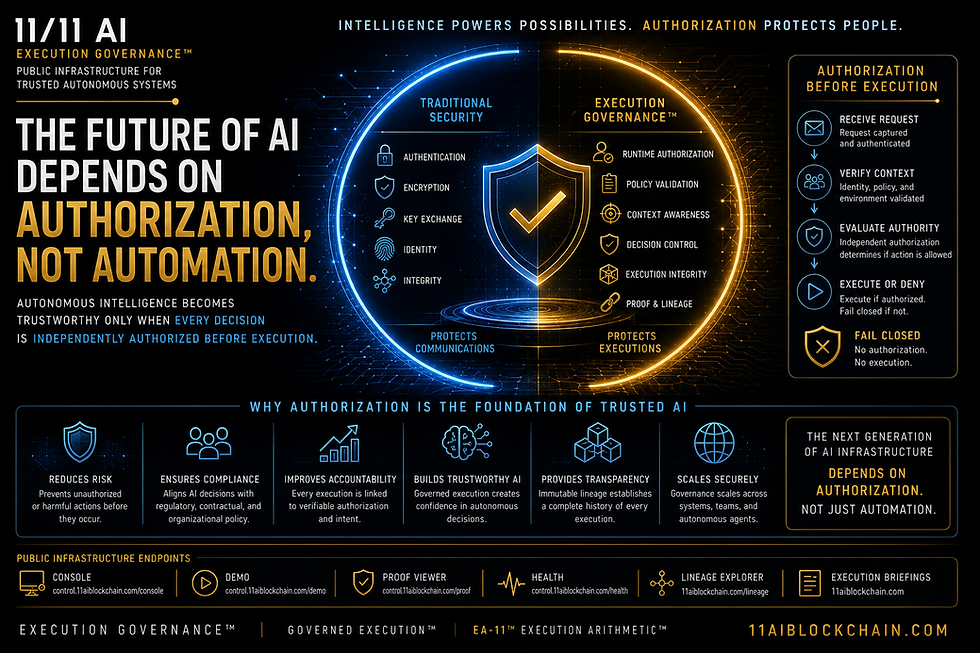
Enforcement means embedding mechanisms that ensure AI systems operate strictly within authorized limits at runtime. It is not about controlling intelligence itself but about controlling what intelligence is allowed to do. Enforcement adds layers of runtime checks and accountability that complement alignment.
Key elements of AI enforcement include:
Enforced Boundaries
AI systems must have clear, non-negotiable limits on their actions. These boundaries are defined by policies, laws, or ethical guidelines and must be embedded into the system’s operational logic.
Policy-Aware Execution
AI should understand and interpret policies dynamically. This means the system can evaluate whether a requested action complies with current rules before executing it.
Runtime Accountability
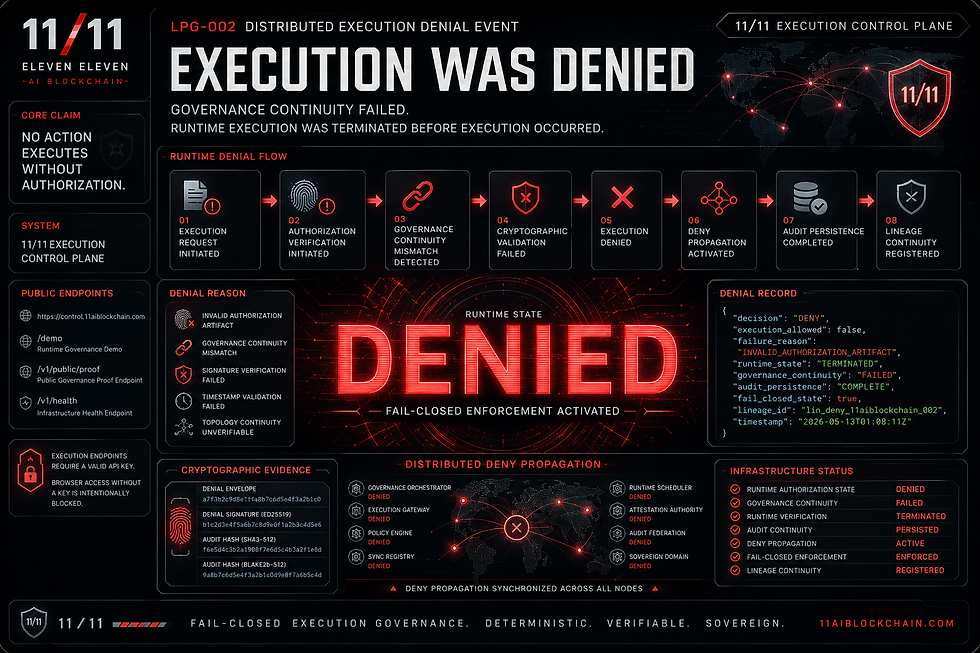
AI systems need mechanisms to log, audit and explain their decisions and actions. This accountability ensures that any deviation from permitted behavior can be detected and addressed promptly.
Together, these components create a framework where AI actions are continuously monitored and controlled, reducing risks from misalignment or manipulation.
Examples of Enforcement in Practice
Several emerging AI applications demonstrate the need for enforcement beyond alignment:
Autonomous Vehicles
Self-driving cars must obey traffic laws and safety rules at all times. Enforcement mechanisms can prevent the vehicle from making illegal turns or exceeding speed limits, even if the AI model’s internal decision-making drifts.
Content Moderation Systems
AI that filters harmful content online must enforce platform policies strictly. Enforcement ensures that even if the model misclassifies content, it cannot publish material that violates clear rules.
Financial Trading Bots
AI systems managing trades need enforced boundaries to avoid risky or unauthorized transactions. Runtime checks can block trades that exceed risk thresholds or violate regulations.
These examples show how enforcement provides a safety net that catches potential failures before they cause harm.

Dashboard showing real-time monitoring and audit trails of AI decisions to ensure accountability.
Building the Future AI Stack with Enforcement
The future AI stack will shift its focus from trusting the model’s intentions to verifying whether each action is permitted. This means:
Integrating Enforcement Layers
AI platforms will include enforcement modules that intercept and evaluate actions before execution.
Dynamic Policy Updates
Policies governing AI behavior will be updated regularly to reflect new laws, ethical standards, or operational contexts. AI systems will adapt enforcement rules without retraining the entire model.
Transparent Auditing Tools
Developers and regulators will have access to tools that provide clear records of AI decisions and enforcement outcomes.
This approach changes the question from “Can we trust the AI model?” to “Is this AI action allowed?” This distinction will shape AI safety and governance for the next decade.
Challenges and Considerations
Moving from alignment to enforcement introduces new challenges:
Defining Boundaries Clearly
Policies must be precise and unambiguous to be enforceable. Ambiguity can lead to inconsistent enforcement or loopholes.
Balancing Flexibility and Control
Enforcement should not overly restrict AI creativity or adaptability. Finding the right balance is critical.
Technical Complexity
Implementing real-time enforcement requires sophisticated monitoring, decision-making, and logging systems.
Ethical and Legal Implications
Enforcement mechanisms must respect privacy, fairness and human rights while maintaining security.
Addressing these challenges requires collaboration between AI researchers, policymakers and industry practitioners.
What This Means for AI Developers and Users
Developers should start designing AI systems with enforcement in mind. This includes:
Embedding policy checks in AI workflows
Building transparent logging and audit capabilities
Testing AI behavior under adversarial conditions
Collaborating with legal and ethics experts to define boundaries
Users and organizations deploying AI should demand enforcement features to reduce risks and increase trustworthiness.

Comments