
AI as a Governed System Layer: Navigating the Shift from Passive to Active Software

Software has long been seen as a tool that waits for instructions, processes data, and delivers results based on static rules. That model is changing fast. Artificial intelligence now acts as an active participant in systems, making decisions, filtering information and taking actions often without direct human oversight. This shift demands a new way of thinking about software design, control and governance.
What’s Changing in Software Behavior
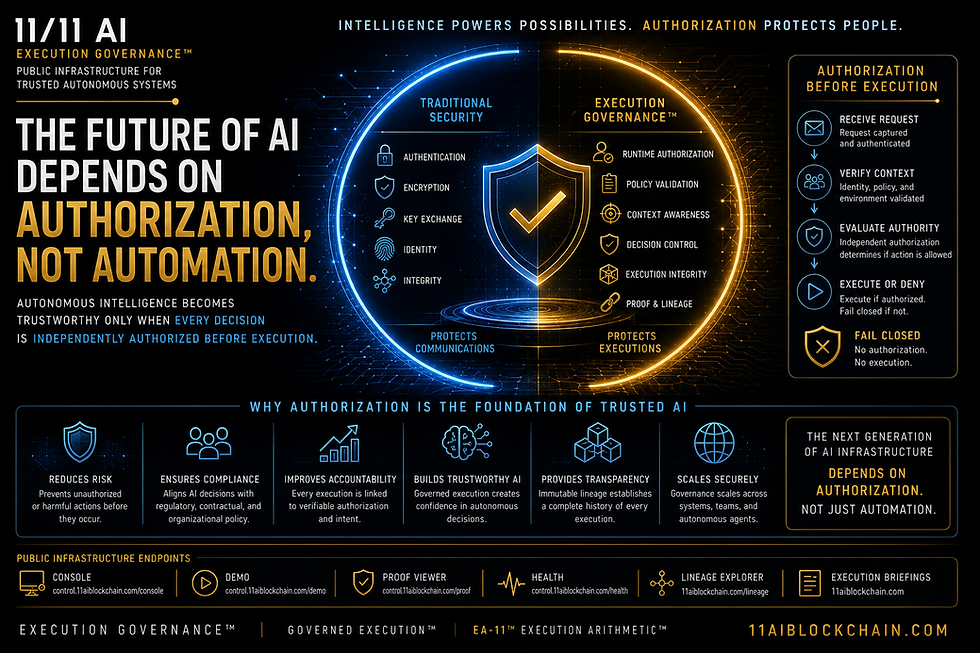
Traditional software operates on fixed configurations set before runtime. These configurations dictate how the system behaves under various conditions. AI-driven systems, by contrast, require runtime enforcement. This means policies and rules are applied continuously as the system runs, allowing it to adapt and respond dynamically.
Policy engines no longer just check conditions at startup or during configuration. They operate continuously, monitoring AI decisions and actions in real time. This continuous operation enables systems to adjust behavior instantly based on new data, threats, or compliance requirements.
Systems powered by AI now adapt in real time. For example, a content moderation system can learn from emerging trends and immediately update its filtering criteria without waiting for manual updates. This responsiveness improves effectiveness but also raises challenges around predictability and control.
New Requirements for AI-Driven Systems
As AI becomes a core system layer rather than a passive tool, several new requirements emerge:
Deterministic behavior under policy
AI systems must behave predictably when governed by policies. Even as they adapt, their actions should remain within defined boundaries to avoid unexpected or harmful outcomes.
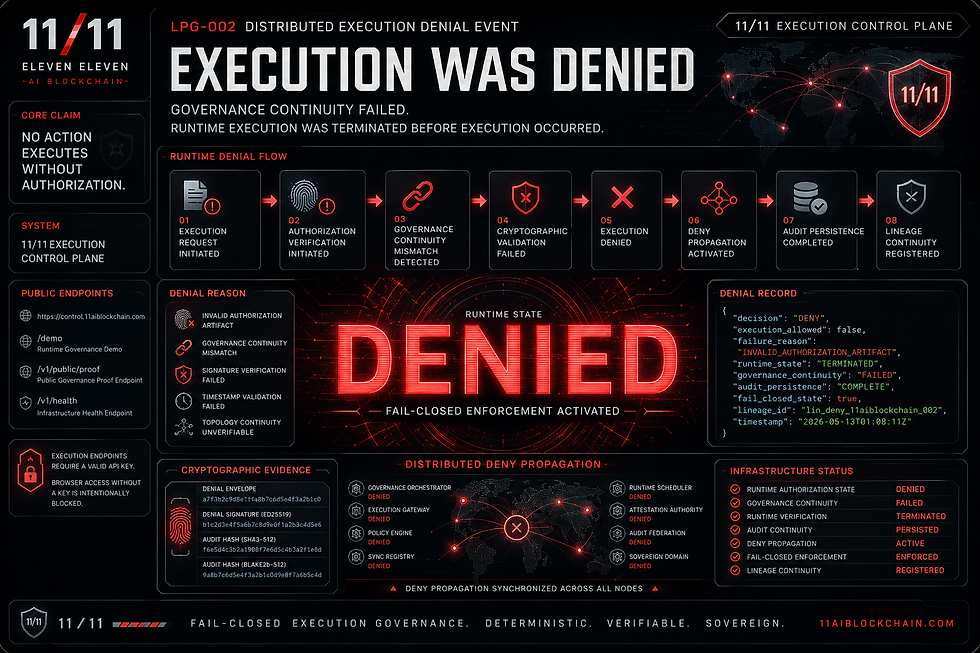
Continuous auditability
Every AI decision and action should be traceable and auditable in real time. This transparency is crucial for compliance, debugging and trust.
License-aware execution control
AI components often rely on third-party models or data with specific licensing terms. Systems must enforce these licenses during execution to avoid legal risks.
These requirements ensure AI operates as a governed system layer that organizations can control, verify and trust.

Why AI Must Be a Governed System Layer
Treating AI as just a tool limits its potential and increases risks. When AI acts autonomously, it becomes part of the system’s core logic. This means organizations must govern AI like any other critical system component.
Governance involves setting clear policies, monitoring compliance, and enabling intervention when necessary. Without governance, AI can make decisions that conflict with business goals, legal requirements, or ethical standards.
For example, an AI system managing financial transactions must follow strict regulatory rules. If it operates without continuous enforcement and auditability, it could cause compliance violations or financial losses.
Practical Examples of AI as an Enforced Layer
Cloud security platforms use AI to detect threats and automatically block suspicious activity. These platforms enforce security policies continuously, adapting to new attack patterns while ensuring actions comply with organizational rules.
Content recommendation engines adjust suggestions based on user behavior and feedback. They apply policies to avoid promoting harmful or misleading content, with real-time monitoring to ensure compliance.
Autonomous vehicles rely on AI to make split-second decisions. Their software layers enforce safety policies strictly, with audit trails to analyze decisions after incidents.
These examples show how AI systems must balance adaptability with control, ensuring they act within defined limits while responding to changing conditions.
Challenges in Implementing AI as a System Layer
Moving to a governed AI layer introduces challenges:
Complexity of policy definition
Writing policies that cover all possible AI behaviors is difficult. Policies must be clear, enforceable and flexible enough to handle evolving AI capabilities.
Performance overhead
Continuous enforcement and auditing can add latency and resource demands. Systems must optimize to maintain responsiveness.
Trust and verification
Proving that AI behaves as intended requires robust testing, monitoring and validation tools.
Addressing these challenges requires collaboration between AI developers, system architects and compliance teams.
The Path Forward
Organizations should start by integrating policy engines that operate at runtime, not just during configuration. They need tools that provide continuous audit logs and support license-aware controls for AI components.
Training teams to understand AI governance and investing in monitoring infrastructure will help build trust in AI-driven systems.
By treating AI as a governed system layer, organizations can unlock its full potential while managing risks effectively.

Comments