
Bridging the AI Trust Gap in Government and Defense with 11AI Solutions
- 11/11 AI

- Feb 26
- 3 min read
In early 2026, a sharp conflict emerged between the U.S. Department of Defense and leading AI developers, highlighting a growing crisis in AI governance. The Pentagon demanded unrestricted access to Anthropic’s Claude AI models for classified military operations. When the company resisted, Defense Secretary Pete Hegseth threatened to label Anthropic a supply-chain risk or invoke the Defense Production Act. This standoff reveals a deeper problem: the widening trust gap between government agencies and AI providers.
This blog explores why 11AI offers a crucial solution to this dilemma, providing a path forward that balances national security needs with ethical AI use.

The Growing AI Trust Dilemma in Government and Defense
Governments increasingly rely on AI for critical defense and security tasks. They want AI systems that can operate without limitations, capable of autonomous decision-making in complex environments. At the same time, AI developers insist on ethical guardrails to prevent misuse, such as autonomous weapons deployment or mass surveillance.
This clash creates two unsustainable extremes:
Government demands full control over AI models, risking unchecked use and ethical violations.
AI companies maintain strict controls, potentially limiting government effectiveness in urgent security scenarios.
Neither side can fully trust the other, and this impasse threatens the future of AI integration in defense.
Why Existing AI Models Fall Short
Current AI models fall into two categories:
Those that resist government demands to protect ethical standards, like Anthropic’s Claude.
Those that comply fully without transparency, raising concerns about misuse and accountability.
Both approaches fail to build the trust needed for long-term cooperation. Governments worry about hidden limitations or backdoors, while companies fear losing control over how their technology is applied.
How 11AI Bridges the Gap
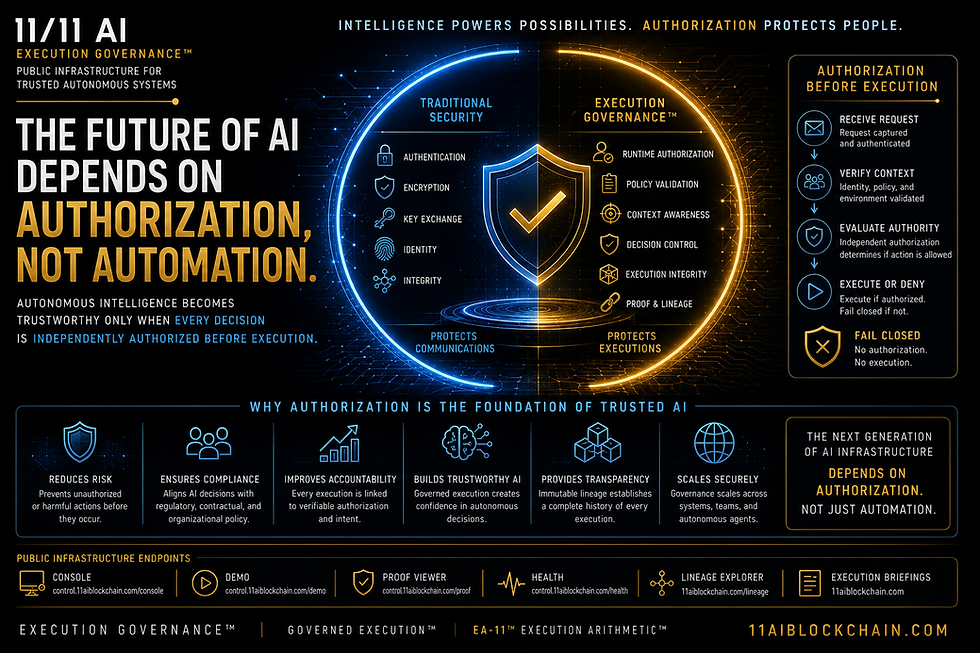
11AI is designed specifically to fill this trust gap. It is not just another AI model but a platform built with transparency, accountability, and governance at its core. Here’s what sets 11AI apart:
Verifiable AI behavior
Every decision 11AI makes is traceable and auditable. This means government agencies can review AI actions and understand the reasoning behind them, ensuring compliance with policies.
Policy constraints integrated into core logic
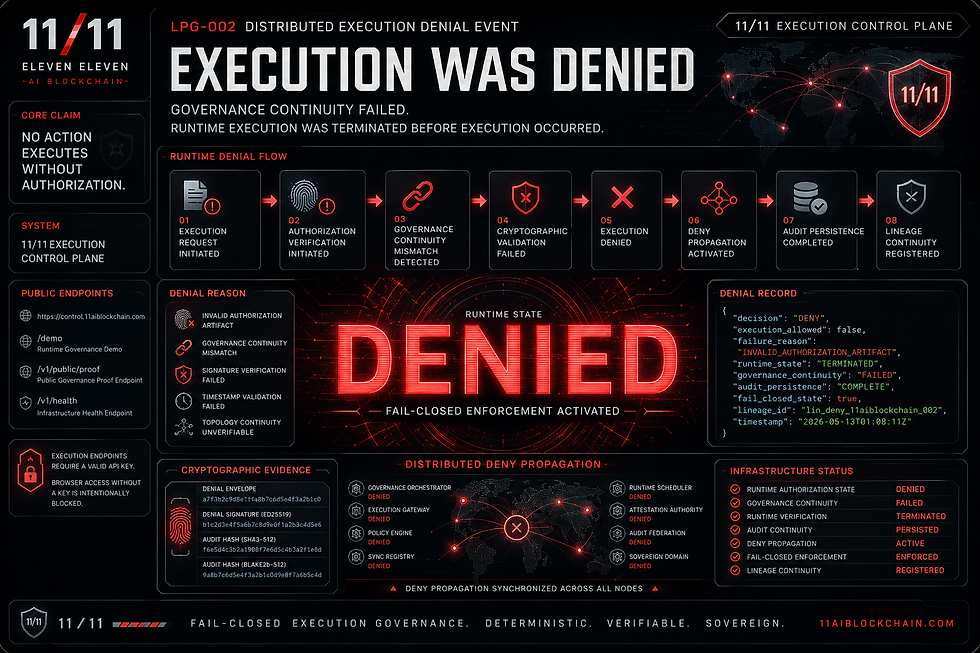
Instead of adding ethical rules as an afterthought, 11AI embeds policy restrictions directly into its decision-making processes. This prevents unauthorized actions before they happen.
Role-based access controls
Sensitive AI functions are accessible only to authorized personnel based on their roles. This limits risk and ensures accountability within government agencies.
Ethics by design
11AI is built from the ground up with ethical considerations, avoiding the need for retrofitted policy guards that can be bypassed or ignored.
These features create a balanced environment where governments can confidently use AI for defense without sacrificing ethical standards.
Practical Examples of 11AI in Action
Consider a scenario where the military needs AI assistance for battlefield planning. With 11AI:
Commanders receive AI-generated strategies that comply with international laws and ethical guidelines.
Every recommendation includes a clear audit trail explaining how the AI reached its conclusions.
Access to sensitive AI functions is limited to authorized officers, reducing insider risk.
The AI automatically blocks any suggestion that violates ethical constraints, such as targeting civilians.
This level of transparency and control builds trust between AI developers and government users, enabling safer and more effective AI deployment.
The Importance of Transparent AI Governance
Trust in AI is not just about technology; it’s about governance. Governments need assurance that AI systems will behave predictably and ethically. 11AI’s approach to embedding governance into the AI itself offers a new model for cooperation.
By making AI decisions auditable and policy-driven, 11AI allows governments to:
Monitor AI use in real time.
Enforce compliance with national and international laws.
Adapt AI behavior as policies evolve.
This dynamic governance model is essential for managing AI in sensitive areas like defense.
Looking Ahead: Building Sustainable AI Partnerships
The conflict between the Pentagon and Anthropic illustrates the risks of ignoring trust in AI governance. Without solutions like 11AI, governments and AI companies may continue to clash, slowing innovation and risking misuse.
11AI offers a path to sustainable partnerships by:
Aligning AI capabilities with government needs.
Protecting ethical standards without limiting operational effectiveness.
Providing transparency that builds confidence on both sides.
This balance is critical as AI becomes more central to national security.

Comments