
Building Better Systems: The Future of AI Architecture in a Platform World
- 11/11 AI

- Feb 6
- 3 min read
Artificial intelligence is no longer just about creating smarter models. The real challenge today lies in building systems that support these models effectively. This shift from focusing solely on models to developing comprehensive platforms signals a new phase in AI’s evolution. The winners in this space will not be those who build the best models alone, but those who build better systems around them.
Why AI Is Moving Beyond Models
For years, AI development centered on improving model accuracy and capabilities. Researchers and engineers competed to create larger, more complex models with better performance on benchmarks. While this remains important, the industry is recognizing that models alone do not solve real-world problems.
Models require infrastructure, data pipelines, monitoring, and user interfaces to deliver value. Without these components, even the most advanced models struggle to scale or integrate into business processes. This realization has sparked a shift toward platform thinking, where AI is embedded in systems designed to manage the entire lifecycle of AI applications.
What Platform Thinking Means for AI

A platform in AI is more than just a collection of tools. It is an environment that supports:
Data management: Collecting, cleaning, and organizing data for training and inference.
Model deployment: Seamlessly integrating models into applications and services.
Monitoring and maintenance: Tracking model performance and updating models as needed.
User interaction: Providing interfaces for users to interact with AI outputs effectively.
Collaboration: Enabling teams to work together on AI projects with shared resources and workflows.
This approach signals maturity in the AI field. It acknowledges that AI solutions must be reliable, maintainable, and scalable to succeed in production environments.
Examples of Platform Success in AI
Several companies have demonstrated the power of building systems around AI models:
OpenAI’s API platform allows developers to access powerful language models through a simple interface. This system handles scaling, security and updates, letting users focus on building applications.
Google’s Vertex AI integrates data engineering, model training, and deployment into one platform. It simplifies managing AI workflows and accelerates time to market.
DataRobot offers an end-to-end platform that automates many steps of the AI lifecycle, from data preparation to model monitoring, helping businesses deploy AI faster.
These platforms show that success comes from combining strong models with robust systems that support them.
Building Better Systems Around AI Models
To build effective AI platforms, organizations should focus on several key areas:
1. Integration with Existing Infrastructure
AI platforms must connect smoothly with current IT systems, databases, and applications. This reduces friction and speeds up adoption.
2. Automation of Repetitive Tasks
Automating data cleaning, model retraining and deployment frees up teams to focus on innovation rather than routine work.
3. Scalability and Flexibility
Platforms should handle growing data volumes and user demands without performance loss. They must also support different types of models and use cases.
4. Transparency and Monitoring
Tracking model decisions and performance helps maintain trust and ensures compliance with regulations.
5. User-Centric Design
Interfaces should be intuitive for both technical and non-technical users, enabling broader adoption across organizations.
The Future Landscape of AI Architecture
As AI platforms mature, the focus will shift from isolated model improvements to system-wide enhancements. This includes:
Better collaboration tools that bring data scientists, engineers, and business users together.
Improved data governance to ensure data quality and privacy.
More modular architectures that allow easy swapping and upgrading of components.
Increased use of AI to manage AI, such as automated troubleshooting and optimization.
This evolution will make AI more accessible, reliable and impactful across industries.
What This Means for AI Practitioners and Businesses
For AI practitioners, the platform approach means expanding skills beyond model development to include system design, data engineering and user experience. For businesses, investing in AI platforms can accelerate deployment, reduce risks and unlock greater value from AI initiatives.
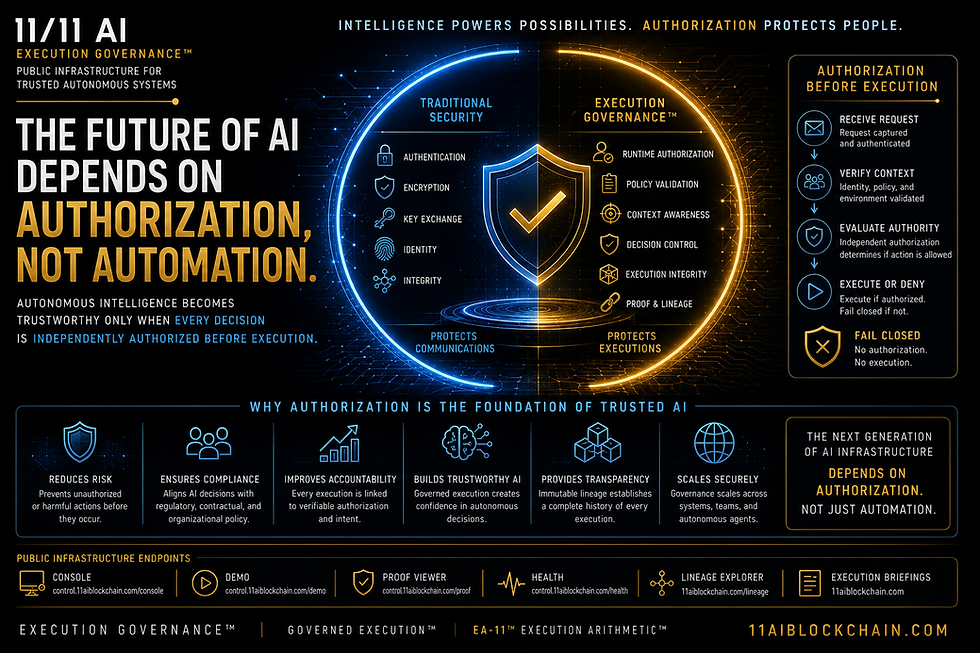
The future of AI is not just about building better models. It is about building better systems that make those models work effectively in the real world. Organizations that embrace this shift will lead the next wave of AI innovation.


Comments