
Building Scalable AI: The Role of Quantum-Aware Data Planes in Future Technologies

Artificial intelligence systems are growing in complexity and scale. As AI models expand, the challenge shifts from raw computing power to how data moves, is trusted, and enforced across systems. The concept of quantum-aware data planes offers a promising path to design AI architectures that can scale efficiently into the future. This post explores how focusing on data planes, rather than just compute, can unlock new possibilities for AI systems that are both powerful and reliable.
Understanding Data Planes in AI Systems
In networking and computing, a data plane refers to the part of the system responsible for moving data from one point to another. For AI, the data plane is the backbone that carries the vast amounts of information needed for training and inference. NVIDIA’s mental model highlights the data plane as the core element that supports AI workloads.
Unlike theoretical models, designing data planes involves engineering practical solutions that ensure data flows smoothly, securely, and with minimal latency. This design focus is critical because AI performance depends not only on how fast processors work but also on how efficiently data travels through the system.
Why Data Movement Matters More Than Raw Compute
AI models today often require thousands of GPUs or specialized processors working in parallel. While raw compute power is essential, it is not the only factor determining system performance. Data movement the transfer of data between memory, processors and storage can become the bottleneck.
Consider these points:
Latency and bandwidth: Slow or congested data paths delay AI computations, reducing throughput.
Energy consumption: Moving data consumes significant power, sometimes more than the compute itself.
Data integrity and trust: Ensuring data is accurate and secure during transfer is vital for reliable AI outcomes.
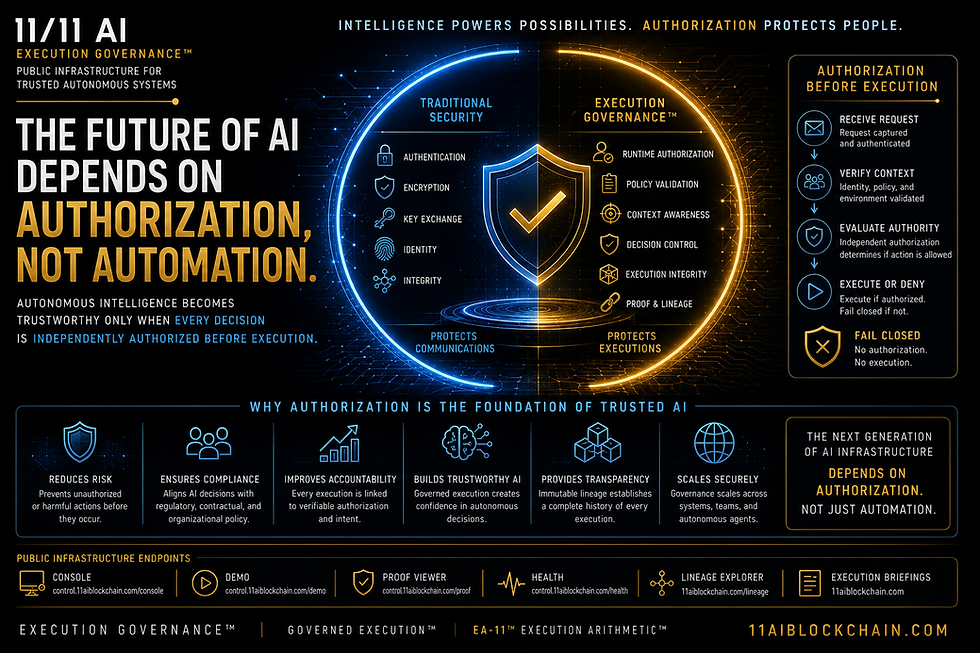
Enforcement of policies: Data governance rules must be enforced as data moves, especially in regulated industries.
Designing quantum-aware data planes means building systems that anticipate future quantum technologies and their impact on data transfer, security and processing.
What Makes a Data Plane Quantum-Aware?
Quantum computing promises to revolutionize how we process information, but it also introduces new challenges for data handling. A quantum-aware data plane is engineered to:
Support hybrid classical-quantum workflows: Seamlessly move data between classical processors and quantum devices.
Enhance security with quantum-resistant protocols: Protect data against threats posed by quantum decryption methods.
Optimize data routing for quantum algorithms: Adapt data paths to the unique requirements of quantum computations.
Prepare for quantum error correction: Manage data flows that account for quantum error rates and correction overhead.
By integrating these capabilities, AI systems can scale with emerging quantum technologies rather than being disrupted by them.

Practical Examples of Quantum-Aware Data Plane Design
Example 1: Hybrid AI Training Clusters
Some research labs combine classical GPUs with quantum processors to accelerate AI training. A quantum-aware data plane in this setup manages data transfers between the two types of processors, ensuring synchronization and minimizing delays. It also uses quantum-safe encryption to protect sensitive training data.
Example 2: Secure AI Inference in Finance
Financial institutions require AI models that handle sensitive data securely. Quantum-aware data planes enforce strict data governance policies and use quantum-resistant cryptography to secure data in transit. This approach helps maintain trust while scaling AI services.
Example 3: Edge AI with Quantum Sensors
Edge devices equipped with quantum sensors generate unique data streams. Quantum-aware data planes optimize how this data moves from edge to cloud, balancing bandwidth constraints and latency requirements. This design supports real-time AI analytics in fields like healthcare and environmental monitoring.
Challenges in Building Quantum-Aware Data Planes
Designing these data planes is complex. Some challenges include:
Integration complexity: Combining classical and quantum components requires new protocols and interfaces.
Standardization gaps: Quantum technologies are evolving rapidly, and standards for data handling are still emerging.
Hardware limitations: Quantum devices currently have limited qubit counts and error rates, affecting data plane design.
Security trade-offs: Implementing quantum-resistant security can add overhead to data movement.
Addressing these challenges demands collaboration between hardware engineers, software developers, and AI researchers.
The Future of AI Systems with Quantum-Aware Data Planes
As quantum computing matures, AI systems that incorporate quantum-aware data planes will have several advantages:
Scalability: Efficient data movement enables larger, more complex AI models.
Security: Quantum-resistant protocols protect AI data against future threats.
Flexibility: Hybrid architectures can adapt to new quantum and classical hardware.
Performance: Optimized data routing reduces latency and energy use.
Organizations that invest in designing these data planes today will be better positioned to harness the full potential of AI and quantum technologies tomorrow.

Comments