
Embracing the Future of Work: How AI Partners Will Redefine Human Collaboration by 2026

Artificial intelligence is no longer just a tool we use. By 2026, AI will act as a true partner, working alongside humans to boost creativity and productivity in ways we have only begun to imagine. This shift from static assistants to dynamic collaborators will reshape how we approach tasks, solve problems and innovate across industries.
This post explores how human-AI collaboration will evolve, the importance of trust and security in these partnerships, and real-world examples from marketing, product design, operations and research. The future of work is not about replacing humans with machines but about building hybrid workflows where both contribute their strengths.
How Humans and AI Share Tasks in 2026 Workflows

By 2026, workflows will blend human intuition and AI’s data-processing power seamlessly. AI partners will handle repetitive, data-heavy, or complex analytical tasks, freeing humans to focus on strategic thinking, emotional intelligence and creative problem-solving.
Routine and Data-Driven Tasks
AI will manage scheduling, data analysis and pattern recognition. For example, in operations, AI can monitor supply chains in real time, predicting disruptions before they happen and suggesting alternatives.
Creative and Strategic Roles
Humans will lead in areas requiring empathy, ethic and innovation. In marketing, AI might generate campaign ideas based on trends, but humans will tailor messages to cultural nuances and brand voice.
Collaborative Decision-Making
AI will provide multiple scenario analyses and risk assessments, but humans will make final decisions, balancing AI insights with values and experience.
This division will create hybrid workflows where AI acts as a digital coworker, not just a tool. Teams will interact with AI through natural language, visual interfaces and immersive environments, making collaboration intuitive.
Where Trust, Security, and Safety Matter in Human–AI Teamwork
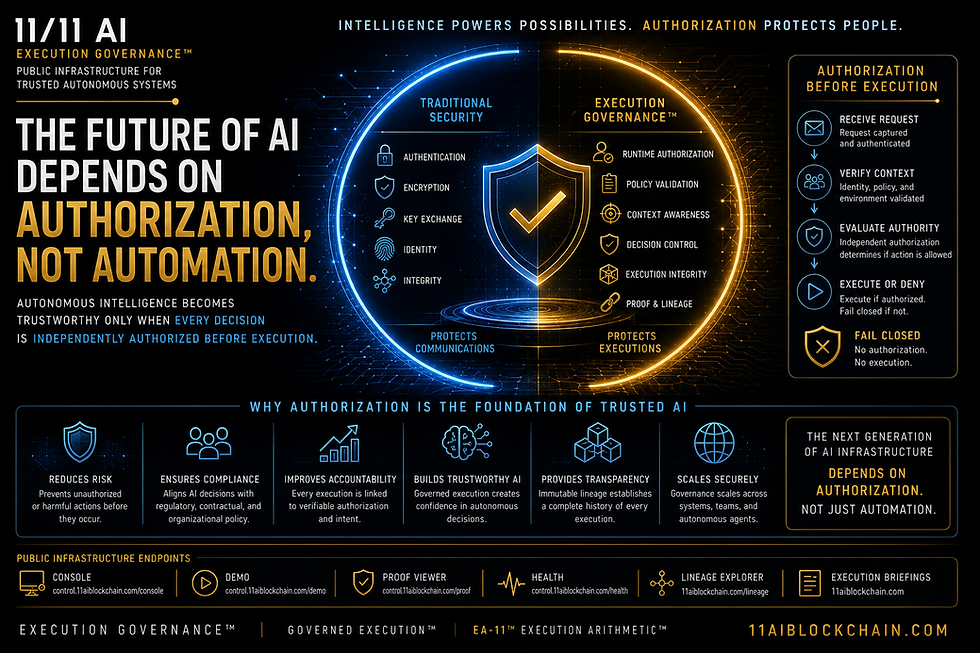
As AI takes on more responsibility, trust becomes critical. Humans must rely on AI partners to provide accurate, unbiased and secure support.
Transparency and Explainability
AI systems will need to explain their reasoning clearly. For example, a product design AI suggesting a new feature must show the data and logic behind its recommendation so designers can evaluate and trust it.
Data Privacy and Security
AI partners will handle sensitive information, especially in research and operations. Strong encryption, access controls and compliance with regulations will protect data from breaches.
Safety and Ethical Boundaries
AI must operate within ethical guidelines to avoid harmful outcomes. In marketing, AI should not manipulate vulnerable audiences. In product design, AI must consider user safety and accessibility.
Building trust will also involve continuous monitoring and feedback loops, where humans can correct AI errors and improve its performance over time.
Use Cases Across Industries
Marketing
AI partners will analyze consumer behavior, segment audiences and predict trends faster than any human team. Marketers will use AI to generate personalized content ideas and optimize campaigns in real time. For example, an AI might suggest a new social media strategy based on emerging cultural shifts, while human marketers ensure the message aligns with brand values.
Product Design
Designers will collaborate with AI to prototype and test products quickly. AI can simulate user interactions, identify potential flaws and suggest improvements. A footwear company might use AI to analyze foot pressure data and recommend design tweaks, while designers add aesthetic and ergonomic touches.
Operations
AI will monitor logistics, inventory, and workflows continuously. In manufacturing, AI partners will predict machine failures and schedule maintenance before breakdowns occur, reducing downtime. Human operators will oversee these processes, making judgment calls when unexpected situations arise.
Research
Researchers will use AI to sift through vast datasets, identify patterns and generate hypotheses. In pharmaceuticals, AI can analyze molecular structures to suggest new drug candidates, while scientists validate findings and design experiments. This partnership accelerates discovery without sacrificing rigor.
The Road Ahead
The collaboration between humans and AI by 2026 will be defined by mutual support. AI will amplify human strengths and compensate for limitations, while humans will guide AI with context, ethics and creativity. This new era requires organizations to rethink workflows, invest in AI literacy and build systems that prioritize trust and safety.

Comments