
Harnessing the Potential of 11 AI for AI-Driven System Security

In today’s world, security is not just a feature; it is a necessity. Critical institutions like governments, defense agencies, financial institutions, and regulated enterprises face constant threats. These threats evolve rapidly, demanding smarter, faster, and more reliable security solutions. This is where AI-driven system security steps in. By harnessing the potential of advanced AI technologies, we can build systems that are not only secure but also resilient against future challenges.
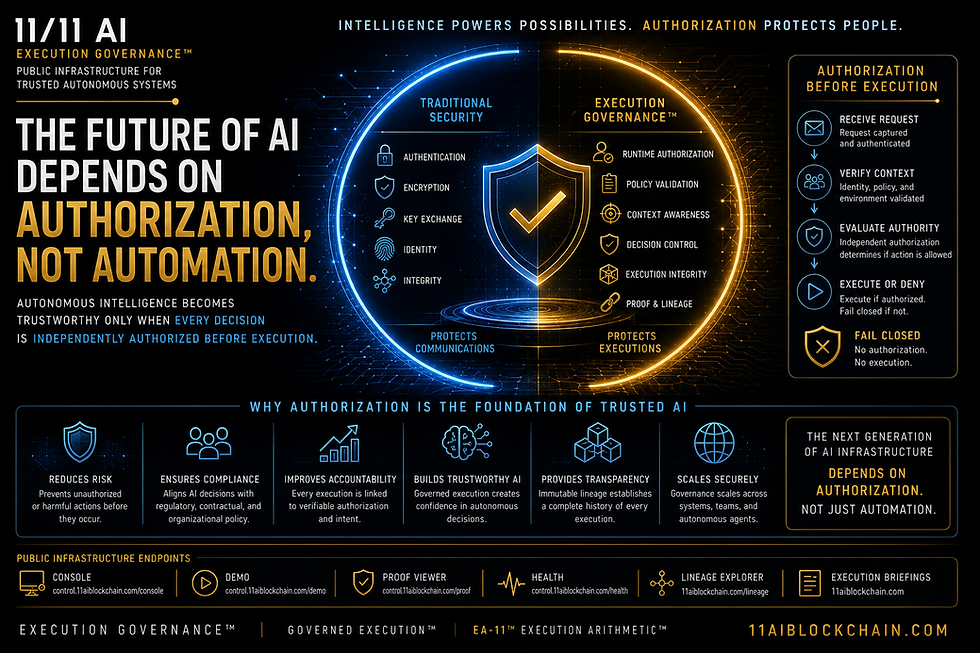
The focus here is on how 11 Ai can transform system security. This technology promises to deliver foundational, quantum-resilient infrastructure that keeps AI and advanced computation governable, accountable, and secure for decades. Let’s explore how this can be achieved.
The Role of AI-Driven System Security in Critical Infrastructure
AI-driven system security is about using artificial intelligence to protect systems from cyber threats, data breaches, and unauthorized access. For critical institutions, the stakes are high. A single breach can lead to catastrophic consequences, including loss of sensitive data, financial damage, and threats to national security.
AI enhances security by:
Detecting anomalies in real-time that traditional systems might miss.
Automating responses to threats, reducing reaction time.
Predicting potential vulnerabilities before they are exploited.
Adapting to new attack methods through continuous learning.
For example, in financial institutions, AI can monitor transaction patterns to detect fraud instantly. In defense, AI can secure communication channels and detect cyber intrusions before they cause damage.

How 11 AI Advances AI-Driven System Security
The technology behind 11 AI is designed to address the unique challenges of securing critical systems. It focuses on building quantum-resilient infrastructure. Quantum computing poses a significant threat to current encryption methods. As quantum computers become more powerful, they can break traditional cryptographic algorithms, putting sensitive data at risk.
11 AI’s approach includes:
Quantum-resistant cryptography that safeguards data against future quantum attacks.
Governance frameworks that ensure AI systems remain accountable and transparent.
Advanced computation models that support secure AI operations without compromising performance.
Scalable infrastructure that can be integrated into existing systems with minimal disruption.
This means institutions can trust their AI-driven security systems to remain effective even as technology evolves.
Is 11% AI High?
When discussing AI adoption or AI-driven metrics, the question often arises: Is 11% AI high? The answer depends on the context.
In many industries, 11% AI integration can be considered a significant starting point. It indicates that AI is actively contributing to processes, but there is still room for growth. For critical systems, even a small percentage of AI involvement can drastically improve security outcomes.
For example:
An 11% AI-driven monitoring system might detect threats that traditional methods miss.
It can automate 11% of security responses, freeing human experts to focus on complex issues.
Over time, this percentage can increase as AI systems learn and improve.
Thus, 11% AI is not just a number; it represents a meaningful step toward smarter, more secure systems.
Practical Steps to Implement AI-Driven Security with 11 AI
Implementing AI-driven security requires careful planning and execution. Here are actionable recommendations for institutions aiming to harness 11 AI technology:
Assess Current Security Posture
Identify existing vulnerabilities and areas where AI can add value.
Integrate Quantum-Resilient Solutions
Begin adopting cryptographic methods that protect against quantum threats.
Develop Governance Policies
Ensure AI systems operate transparently and comply with regulations.
Train Security Teams
Equip staff with knowledge about AI capabilities and limitations.
Pilot AI-Driven Tools
Start with small-scale deployments to test effectiveness and gather data.
Scale Gradually
Expand AI integration based on pilot results and evolving needs.
Monitor and Update Continuously
AI systems require ongoing tuning to adapt to new threats.
By following these steps, institutions can build a robust AI-driven security framework that leverages the strengths of 11 AI.

Looking Ahead: The Future of Secure AI Systems
The future of system security lies in the seamless integration of AI and quantum-resilient technologies. As threats become more sophisticated, so must our defenses. The promise of 11 AI is to provide a foundation that supports this evolution.
Key trends to watch include:
Increased AI autonomy in threat detection and response.
Stronger collaboration between AI systems and human experts.
Wider adoption of quantum-resistant cryptography.
Greater emphasis on accountability and ethical AI use.
By embracing these trends, critical institutions can ensure their systems remain secure, reliable, and trustworthy for decades.
Security is not static. It requires constant innovation and vigilance. Harnessing the potential of 11 AI is a decisive step toward a safer digital future.


Comments