
How AI Agents Are Revolutionizing Workplace Efficiency and Collaboration

Artificial intelligence is no longer limited to simple chatbots or automated replies. AI agents and autonomous AI systems are now capable of planning, acting and collaborating across complex workflows. This shift is reshaping how people work, communicate, and solve problems in the workplace. These AI systems can handle tasks independently, coordinate with human teams and improve overall productivity. Understanding how AI agents transform work and how to build trust in these systems is essential for organizations aiming to stay competitive.
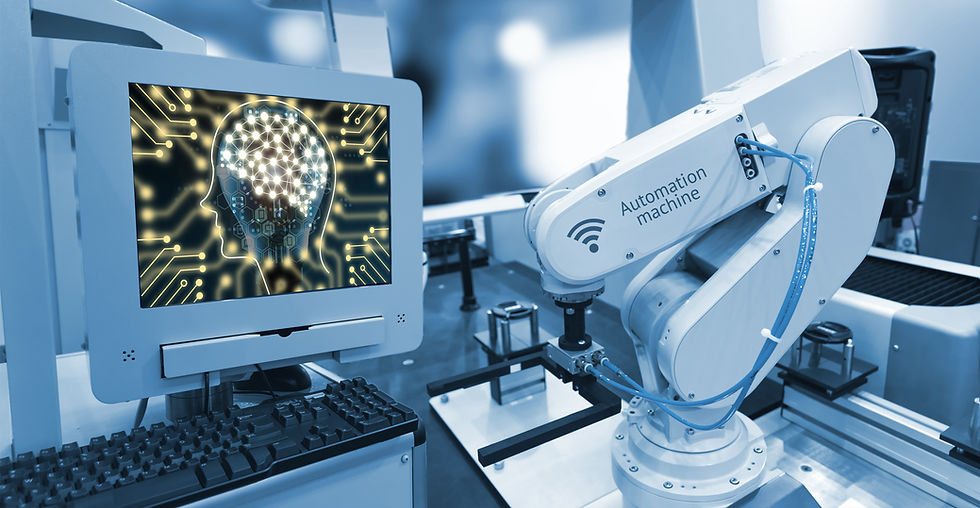
How AI Agents Improve Workplace Productivity
AI agents can perform a variety of tasks that traditionally required human attention, freeing employees to focus on higher-value work. These agents can:
Automate routine tasks such as scheduling meetings, managing emails, or processing data.
Coordinate across multiple applications to complete workflows without manual intervention.
Analyze data quickly to provide insights or recommendations.
Adapt to changing conditions by learning from new information and adjusting their actions.
For example, in customer support, AI agents can handle initial inquiries, route complex issues to the right human expert, and even follow up with customers automatically. This reduces wait times and improves customer satisfaction while allowing support staff to focus on more challenging problems.
In project management, AI agents can track deadlines, assign tasks based on team members’ availability and alert managers to potential delays. This proactive approach helps teams stay on schedule and reduces the risk of missed deadlines.
Building Trust and Safety into Autonomous AI Systems
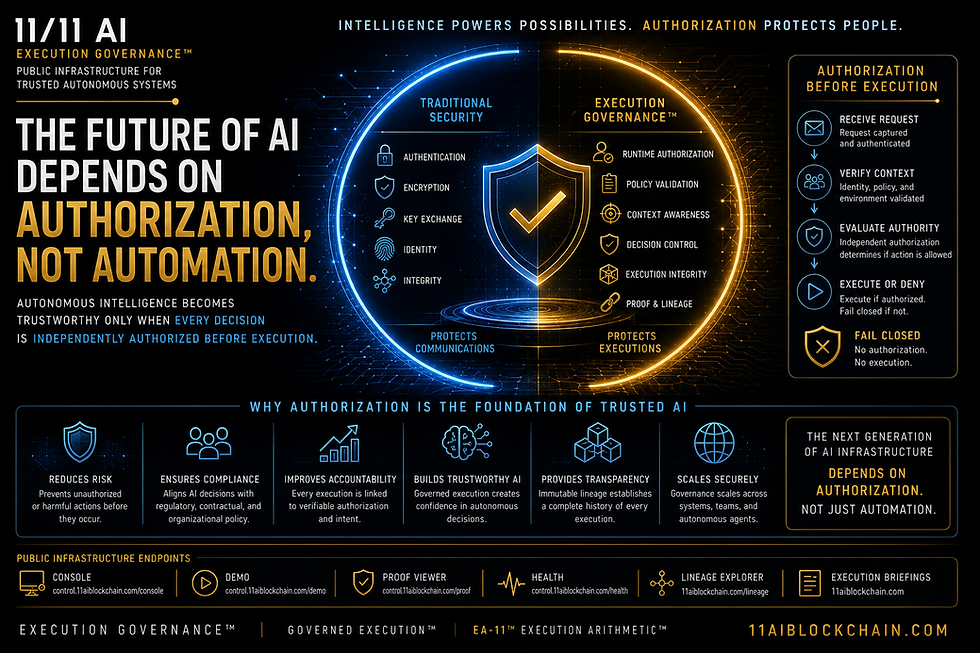
As AI agents take on more responsibility, trust becomes critical. People need to feel confident that these systems will act reliably, ethically and securely. Key factors in building trust include:
Transparency: AI systems should clearly explain their decisions and actions. When users understand how an AI agent works, they are more likely to trust it.
Control: Users should have the ability to override or adjust AI decisions when necessary. This prevents unwanted outcomes and maintains human oversight.
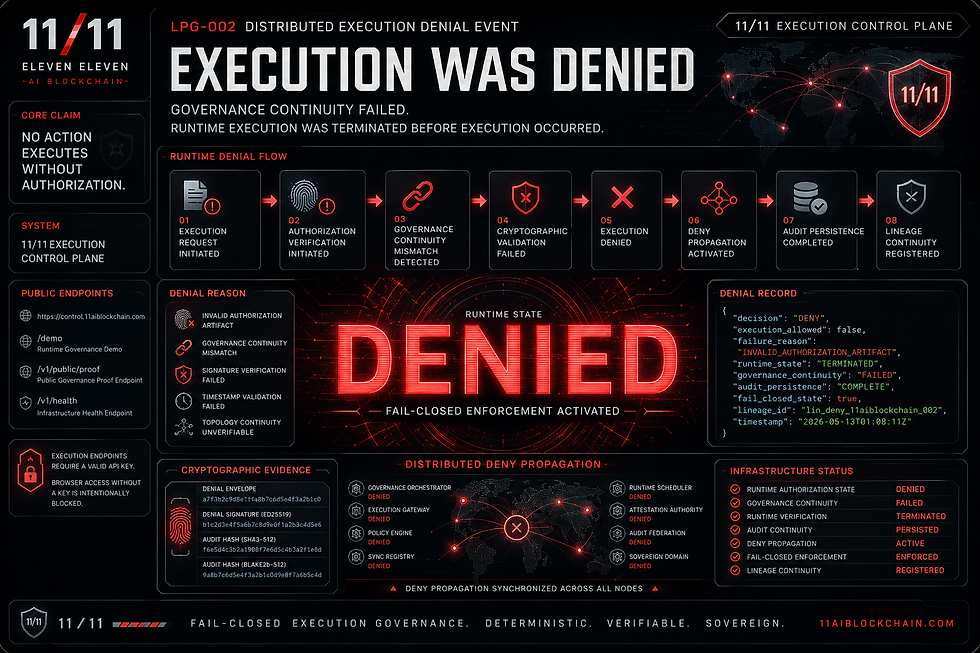
Security: Autonomous AI systems must protect sensitive data and resist manipulation or hacking attempts.
Ethical design: AI agents should avoid bias and respect privacy. Developers need to test systems thoroughly to prevent harmful behavior.
For instance, an AI agent used in hiring should provide clear reasons for candidate recommendations and allow recruiters to review and modify suggestions. This approach helps prevent unfair bias and supports fair decision-making.
Real-World Examples of AI Agents in Action
Several industries are already benefiting from AI agents that improve efficiency and collaboration:
Healthcare: AI agents assist doctors by analyzing medical records, suggesting diagnoses, and managing appointment scheduling. This reduces administrative burden and speeds up patient care.
Finance: Autonomous AI systems monitor transactions for fraud, generate reports and help advisors create personalized investment plans.
Manufacturing: AI agents coordinate supply chains, predict maintenance needs, and optimize production schedules to reduce downtime.
These examples show how AI agents can handle complex tasks that require coordination and decision-making, leading to smoother operations and better outcomes.
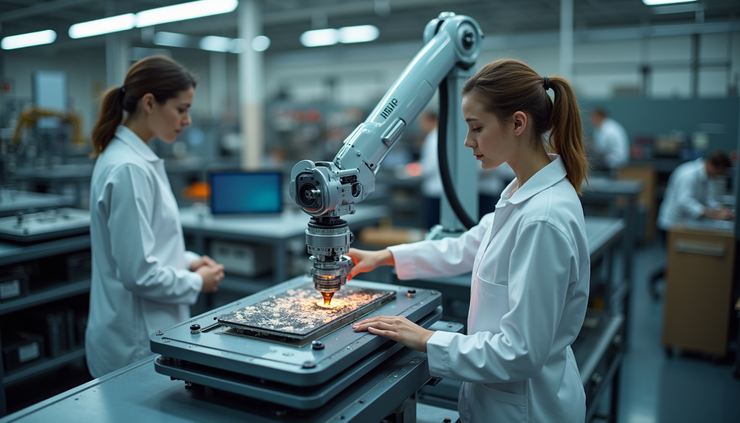
Preparing for the Future of Work with AI Agents
Organizations that want to benefit from AI agents should focus on:
Training employees to work alongside AI systems and understand their capabilities.
Integrating AI agents into existing workflows gradually to ensure smooth adoption.
Monitoring AI performance and gathering feedback to improve systems continuously.
Establishing clear policies for AI use, including ethical guidelines and data protection.

Comments