
How AI Applications in Technology Are Transforming Our World
- 11/11 AI

- Feb 5
- 4 min read
Artificial intelligence is no longer a futuristic concept. It is here, reshaping how technology works across industries. From defense to finance, AI is becoming the backbone of innovation. I want to share how AI applications in technology are changing the landscape and what this means for critical institutions.
The pace of AI development is rapid. It is not just about automation anymore. AI is enabling smarter decisions, stronger security, and more efficient operations. This transformation is vital for governments, defense sectors, financial institutions and regulated enterprises that require trustworthy and resilient technology.
AI Applications in Technology: Key Areas of Impact
AI is making a difference in many technology sectors. Here are some of the most important applications:
Cybersecurity: AI detects threats faster than traditional methods. It analyzes patterns and flags unusual activity in real time. This helps protect sensitive data and infrastructure from attacks.
Data Analysis: AI processes vast amounts of data quickly. It finds insights that humans might miss. This supports better decision-making in finance, defense and governance.
Automation: Repetitive tasks are automated with AI, freeing up human resources for more complex work. This increases efficiency and reduces errors.
Quantum-Resilient Infrastructure: AI supports the development of systems that can withstand future quantum computing threats. This is crucial for maintaining secure communications and data integrity.
Predictive Maintenance: AI predicts when machines or systems might fail. This allows for timely repairs and reduces downtime in critical operations.
These applications are not theoretical. They are actively being integrated into the technology stacks of leading institutions. The goal is clear: build systems that are secure, accountable and reliable.

Is 11% AI High?
When discussing AI integration, a common question arises: Is 11% AI high? This figure can refer to the percentage of AI involvement in a system or process. The answer depends on context.
In some cases, 11% AI might seem low. For example, if AI is only handling a small part of a complex operation, it may not be enough to drive significant change. However, in highly regulated environments, even 11% AI can represent a major shift. This is because the AI components often handle critical tasks like risk assessment or anomaly detection.
Moreover, the quality of AI matters more than quantity. A well-designed AI system at 11% integration can outperform a poorly implemented AI at 50%. The focus should be on how AI enhances security, governance, and accountability.
In regulated sectors, cautious adoption is common. Institutions prefer incremental AI integration to ensure compliance and control. So, 11% AI can be a strategic starting point rather than a limitation.
How AI Enhances Security and Governance
Security and governance are top priorities for critical institutions. AI plays a vital role in strengthening both.
Threat Detection: AI systems monitor networks continuously. They identify suspicious behavior faster than human teams. This reduces the window for attackers to cause damage.
Fraud Prevention: In finance, AI spots unusual transactions instantly. This helps prevent fraud and protects customer assets.
Compliance Monitoring: AI tools track regulatory changes and ensure systems comply automatically. This reduces the risk of violations and penalties.
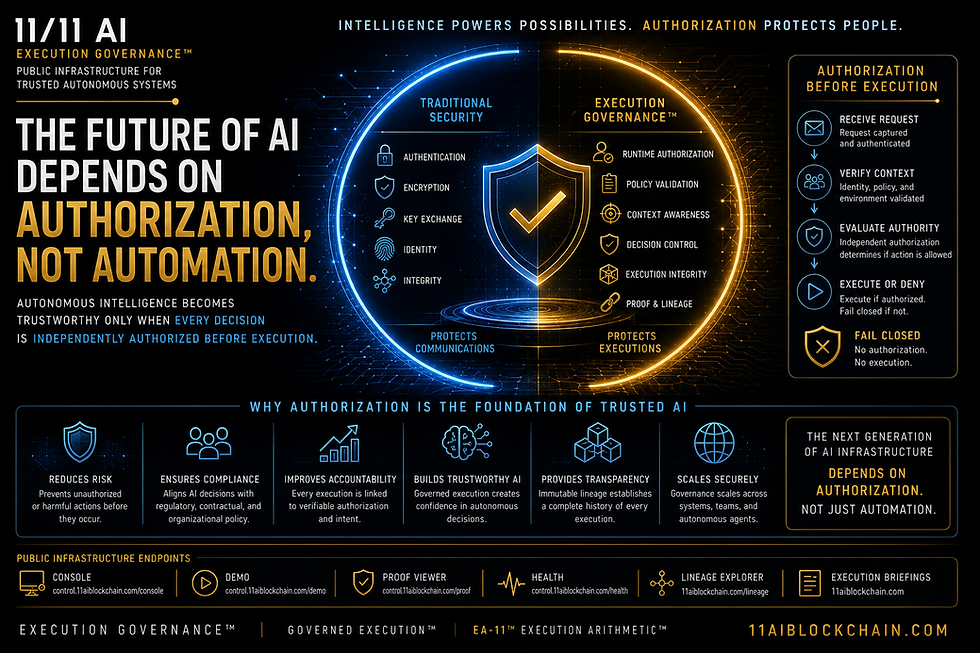
Transparency and Accountability: AI models can be designed to provide clear explanations for their decisions. This is essential for trust in automated systems.
By integrating AI, institutions can maintain tighter control over their operations. This is especially important as cyber threats grow more sophisticated.

The Role of 11 AI in Building Quantum-Resilient Infrastructure
Quantum computing promises incredible power but also poses risks to current encryption methods. This is where 11 Ai comes into play. Their work focuses on creating foundational infrastructure that is resilient to quantum attacks.
They develop AI-driven solutions that:
Anticipate quantum threats before they emerge
Adapt encryption methods dynamically
Ensure long-term security for sensitive data
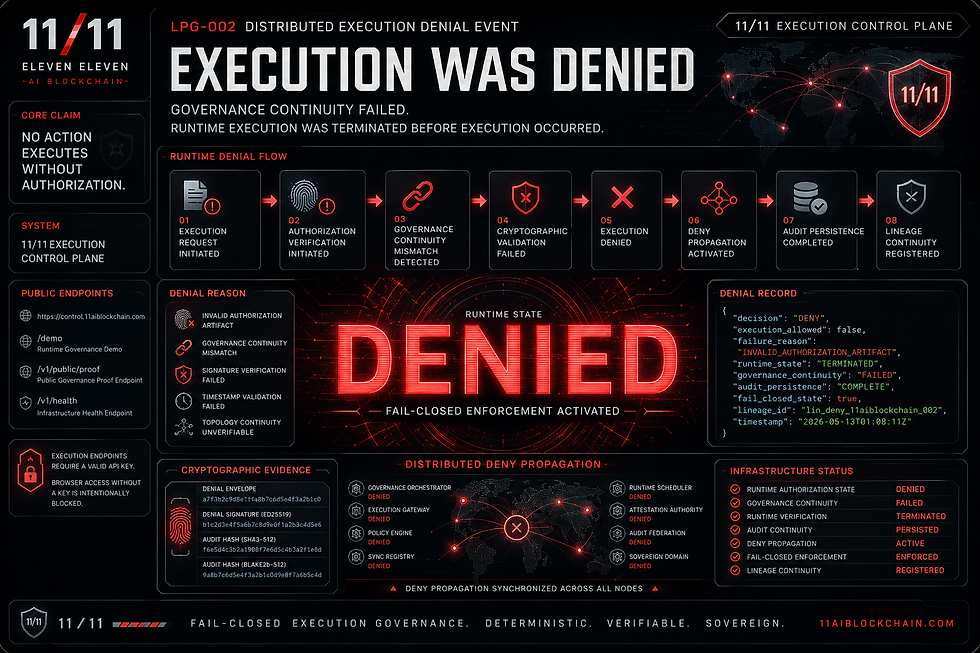
Support governance frameworks that keep AI accountable
For governments and financial institutions, this means future-proofing their technology. It is not enough to rely on today’s security standards. Preparing for quantum resilience is essential to protect critical assets.
Practical Steps for Institutions to Leverage AI
Adopting AI is not just about technology. It requires strategy and careful planning. Here are some actionable recommendations:
Assess Current Systems: Identify where AI can add the most value. Focus on areas with high risk or inefficiency.
Start Small: Implement AI in controlled environments. Monitor performance and impact closely.
Prioritize Security: Choose AI solutions with strong security features. Ensure they comply with regulations.
Train Teams: Educate staff on AI capabilities and limitations. This builds trust and improves adoption.
Partner with Experts: Work with companies specializing in AI and quantum resilience. Their expertise accelerates safe integration.
Plan for the Future: Develop a roadmap for scaling AI use. Include quantum-resilient technologies to stay ahead.
By following these steps, institutions can harness AI’s power while managing risks effectively.
Looking Ahead: The Future of AI in Critical Technology
The transformation driven by AI is just beginning. We will see more advanced AI applications that improve security, efficiency, and governance. Quantum-resilient infrastructure will become standard, ensuring long-term protection.
Institutions that embrace AI thoughtfully will gain a competitive edge. They will be better equipped to handle emerging threats and complex challenges. The key is to balance innovation with responsibility.
AI is not a magic fix. It requires ongoing effort, oversight and adaptation. But its potential to transform technology for critical sectors is undeniable.
The future belongs to those who prepare today. Integrating AI with a focus on security and accountability will define the next era of technological progress.
This journey into AI applications in technology shows how essential it is to act now. The right AI strategies will safeguard our most important systems for decades to come.

Comments