
How AI is Transforming ai-driven innovation

Updated: Mar 31
Artificial intelligence is no longer just a futuristic concept. It is actively reshaping how innovation happens across critical sectors. From governments to financial institutions, AI is driving change that is faster, smarter, and more secure. I want to share how AI is transforming innovation and why this matters for regulated enterprises and defense organizations.
AI is not just a tool. It is a foundation for new ways of thinking, creating, and securing technology. The goal is clear: to build systems that are accountable, governable, and resilient against future threats. This is especially important for institutions that require the highest levels of trust and security.
The Role of AI in Driving Innovation
AI-driven innovation means using artificial intelligence to create new products, services, and processes that were not possible before. It accelerates research, automates complex tasks, and uncovers insights hidden in vast amounts of data.
For example, in defense, AI can analyze satellite images to detect threats faster than human analysts. In finance, AI models predict market trends with greater accuracy, helping institutions manage risk better. Governments use AI to improve public services by automating routine tasks and enhancing decision-making.
The key benefit is speed. AI can process information and generate solutions at a pace humans cannot match. This speed leads to faster innovation cycles and quicker deployment of new technologies.
Another benefit is precision. AI algorithms can identify patterns and anomalies that humans might miss. This precision improves the quality of innovations and reduces errors.
AI also enables customization. Products and services can be tailored to specific needs using AI-driven data analysis. This personalization enhances user experience and effectiveness.

How AI-Driven Innovation Enhances Security and Accountability
Security is a top priority for regulated enterprises and critical institutions. AI-driven innovation helps build systems that are not only advanced but also secure and accountable.
One way AI enhances security is through continuous monitoring. AI systems can detect unusual activity in real time, alerting security teams before problems escalate. This proactive approach reduces risks and protects sensitive data.
AI also supports quantum-resilient infrastructure. As quantum computing advances, traditional encryption methods may become vulnerable. AI helps develop new cryptographic techniques that can withstand quantum attacks, ensuring long-term data protection.
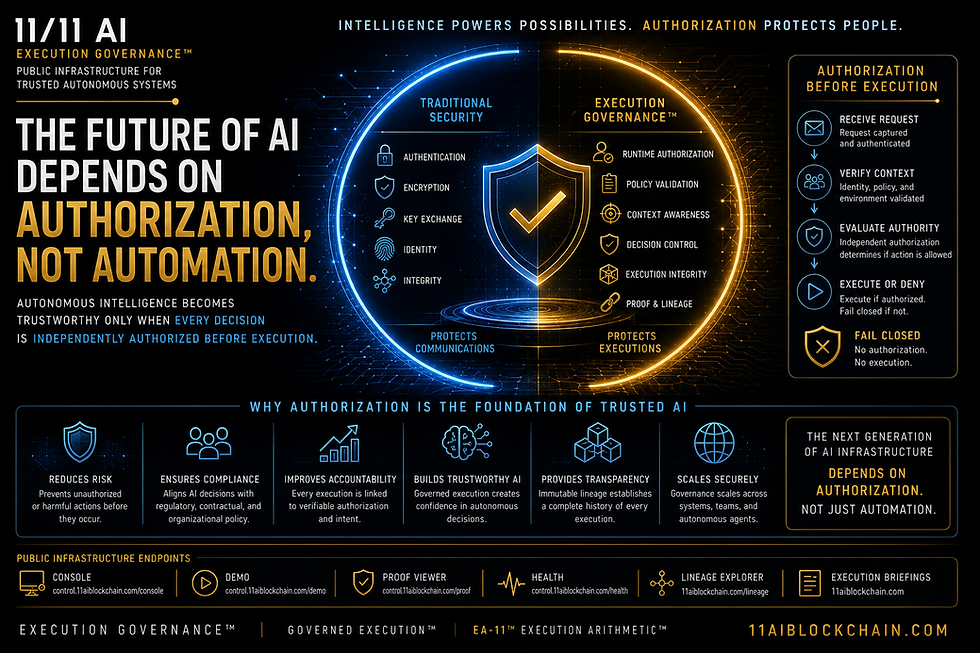
Accountability is another crucial aspect. AI systems can be designed to provide transparent decision-making processes. This means every action taken by AI can be traced and audited, which is essential for compliance with regulations.
For example, financial institutions can use AI to monitor transactions and flag suspicious behavior while maintaining clear records for regulatory review.
The combination of security and accountability makes AI-driven innovation a powerful tool for institutions that must meet strict governance standards.
Is 11% AI high?
When discussing AI adoption, a common question arises: Is 11% AI high? This figure can refer to the percentage of processes, decisions, or operations influenced by AI within an organization.
In many regulated sectors, 11% represents a significant starting point. It shows that AI is already integrated into critical workflows but still has room to grow. For institutions cautious about adopting new technology, 11% AI usage reflects a balanced approach—leveraging AI benefits while managing risks.
However, the goal is often to increase this percentage responsibly. As AI systems prove their reliability and security, organizations can expand their use to more areas. This gradual increase helps build trust and ensures compliance with regulatory frameworks.
In this context, 11% AI is not just a number. It is a milestone on the path to deeper AI integration and more transformative innovation.
Practical Steps to Implement AI-Driven Innovation
Implementing AI-driven innovation requires a clear strategy and careful execution. Here are practical steps that institutions can take:
Assess Needs and Opportunities
Identify areas where AI can add value. Look for repetitive tasks, data-heavy processes, or decision points that could benefit from AI insights.
Invest in Secure Infrastructure
Build or upgrade systems to support AI workloads securely. This includes quantum-resilient encryption and robust access controls.
Develop Transparent AI Models
Use AI algorithms that provide explainable results. Transparency is key for regulatory compliance and user trust.
Train Teams and Stakeholders
Educate staff on AI capabilities and limitations. Ensure everyone understands how AI fits into the broader innovation strategy.
Pilot and Scale
Start with pilot projects to test AI applications. Use lessons learned to refine approaches before scaling up.
Monitor and Audit Continuously
Implement ongoing monitoring to detect issues early. Regular audits ensure AI systems remain compliant and effective.
By following these steps, institutions can harness AI-driven innovation while maintaining control and security.

The Future of AI in Critical Institutions
Looking ahead, AI will become even more integral to innovation in critical sectors. The focus will be on building AI systems that are not only powerful but also trustworthy and resilient.
Quantum computing will play a major role. Combining AI with quantum technology will unlock new possibilities for data analysis and security. Institutions that invest early in quantum-resilient AI infrastructure will gain a competitive edge.
Regulation will also evolve. Governments and regulatory bodies will set clearer standards for AI governance. Institutions must stay ahead by adopting best practices and transparent AI models.
Finally, collaboration will increase. Sharing knowledge and resources across sectors will accelerate AI-driven innovation. Partnerships between governments, defense, and financial institutions will create stronger, more secure AI ecosystems.
The journey is ongoing. But with the right approach, AI can transform innovation into a force for secure, accountable progress.
AI is transforming innovation in ways that matter most to critical institutions. It speeds up processes, enhances security, and ensures accountability. By embracing AI-driven innovation thoughtfully, organizations can build a future that is both advanced and secure. The path forward is clear - invest in AI, focus on governance, and prepare for the quantum era. This is how we ensure that AI remains a trusted partner in innovation for decades to come.

Comments