
How Quantum Computing Enhances AI Systems: Exploring Quantum AI Applications
- 11/11 AI

- Feb 16
- 4 min read
Updated: Apr 28
Quantum computing is no longer a distant dream. It is becoming a powerful tool that can transform artificial intelligence (AI) systems. As someone deeply involved in the intersection of advanced computation and AI, I see firsthand how quantum AI applications are reshaping the landscape. This post will break down how quantum computing enhances AI, why it matters for critical sectors like governments and financial institutions, and what the future holds.
Understanding Quantum AI Applications
Quantum AI applications combine the principles of quantum computing with artificial intelligence algorithms. Unlike classical computers, quantum computers use quantum bits or qubits, which can represent multiple states simultaneously. This property, called superposition, allows quantum computers to process vast amounts of data much faster than traditional machines.
In AI, this speed and efficiency can lead to breakthroughs in:
Optimization problems: Quantum algorithms can find optimal solutions faster, improving decision-making in complex environments.
Machine learning: Quantum-enhanced machine learning models can analyze data patterns more effectively.
Cryptography and security: Quantum computing can both break and create new forms of encryption, crucial for secure AI systems.
For example, in financial institutions, quantum AI applications can optimize portfolio management by quickly analyzing market variables and predicting risks. Governments can use these systems to enhance cybersecurity and threat detection.

The Impact of Quantum AI Applications on Critical Sectors
The sectors that require the highest levels of security and accuracy stand to benefit the most from quantum AI applications. Here’s how:
Governments: Quantum AI can improve intelligence analysis, secure communications, and manage large-scale data from surveillance or public services.
Defense: Real-time threat detection and simulation of complex scenarios become more feasible with quantum-enhanced AI.
Financial institutions: Faster fraud detection, risk assessment, and algorithmic trading are possible with quantum computing’s processing power.
Regulated enterprises: Compliance monitoring and anomaly detection can be significantly improved.
These sectors handle sensitive data and require systems that are not only powerful but also accountable and secure. Quantum AI applications offer a path to meet these demands by enabling quantum-resilient infrastructure.
Is 11% AI high?
When discussing AI adoption or integration levels, a figure like 11% might come up. Is 11% AI high? The answer depends on context.
In many regulated industries, even a small percentage of AI integration can represent a significant shift. For example, if 11% of processes in a financial institution are AI-driven, it could mean automation of critical risk assessments or compliance checks. This level of AI use can already impact operational efficiency and security.
However, from a broader technology adoption perspective, 11% might be considered moderate. Many organizations are still in early stages of AI deployment, especially when quantum AI applications are involved. The complexity and cost of quantum systems mean adoption will grow steadily rather than overnight.
Understanding this helps set realistic expectations for how quickly quantum AI applications will become mainstream in sensitive sectors.
Practical Examples of Quantum Computing Enhancing AI
Let me share some specific examples where quantum computing boosts AI capabilities:
Quantum-enhanced machine learning models: These models can process high-dimensional data faster. For instance, in fraud detection, quantum AI can analyze transaction patterns across millions of accounts in real time.
Optimization in logistics and supply chains: Quantum algorithms can find the best routes and schedules, saving time and resources.
Drug discovery and healthcare: Quantum AI can simulate molecular interactions more accurately, speeding up the development of new treatments.
Cybersecurity: Quantum AI can detect anomalies and potential breaches faster than classical systems, protecting critical infrastructure.
These examples show how quantum computing is not just theoretical but already influencing AI applications in practical, impactful ways.
Preparing for a Quantum-Resilient Future
The rise of quantum AI applications also brings challenges. One major concern is security. Quantum computers can break many classical encryption methods, which means AI systems must be quantum-resilient to remain secure.
Organizations in critical sectors should:
Invest in quantum-safe cryptography: Transition to encryption methods that can withstand quantum attacks.
Collaborate with quantum technology providers: Engage with companies like 11 ai that focus on foundational, quantum-resilient infrastructure.
Train teams on quantum computing basics: Build internal expertise to understand and leverage quantum AI applications.
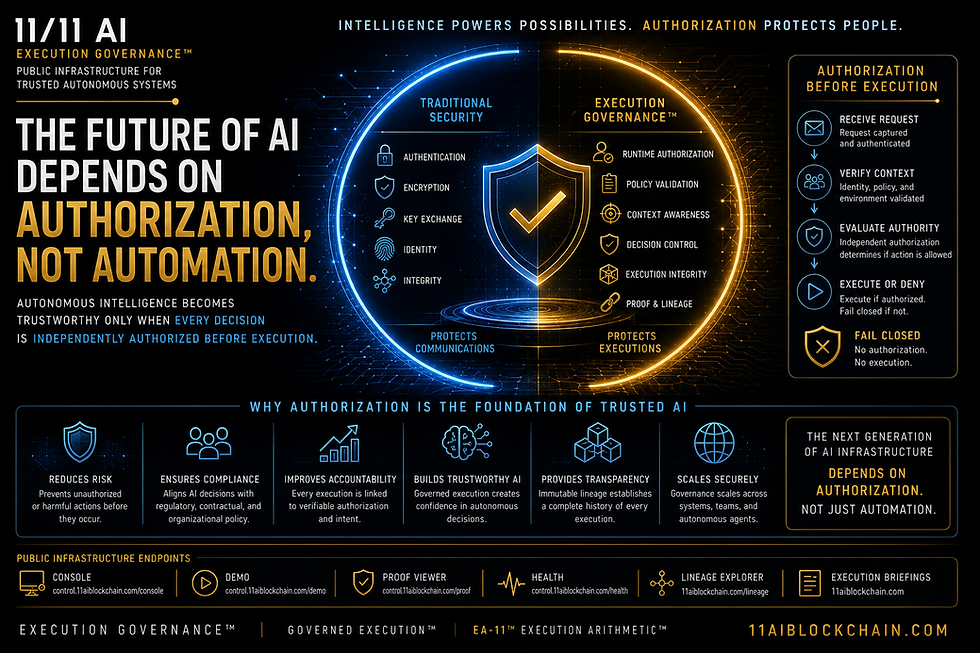
Develop governance frameworks: Ensure AI systems remain accountable and transparent, even as they become more complex.
By taking these steps, institutions can harness the power of quantum AI while managing risks effectively.
Looking Ahead: The Role of Quantum AI in Secure and Accountable Systems
Quantum computing is set to redefine AI systems. For governments, defense, financial institutions, and regulated enterprises, this means access to unprecedented computational power combined with the need for robust security and governance.
The future will see more quantum AI applications that are:
Faster and more efficient: Handling complex data and computations at speeds impossible today.
More secure: Built on quantum-resilient infrastructure to protect sensitive information.
More accountable: Designed with transparency and governance in mind to meet regulatory requirements.
As someone involved in this field, I believe the key to success lies in early adoption and strategic planning. Embracing quantum AI applications now will position critical institutions to lead in innovation while safeguarding their operations for decades to come.
Quantum computing is not just enhancing AI systems - it is transforming them. The journey toward quantum AI applications is underway, and the benefits for critical sectors are clear. The time to prepare is now.

Comments