
Leveraging 11 AI Innovations for Secure Systems
- 11/11 AI

- Feb 23
- 5 min read
Updated: Mar 31
In today’s world, security is not just a feature; it is a necessity. Systems that protect sensitive data and critical infrastructure must be robust, adaptive, and forward-thinking. Artificial intelligence (AI) is transforming how we build these secure systems. I want to share how leveraging 11 AI innovations can strengthen security frameworks, especially for governments, defense, financial institutions and regulated enterprises.
Security challenges are evolving fast. Cyber threats grow more sophisticated every day. Traditional methods alone cannot keep pace. AI offers new tools and approaches that can detect, prevent, and respond to threats in real time. Let’s explore these innovations and how they can be applied effectively.
AI Innovations for Systems: What You Need to Know
AI is no longer just a buzzword. It is a practical technology reshaping security systems. Here are some key AI innovations that are making a difference:
Machine Learning for Threat Detection: AI models learn from vast datasets to identify unusual patterns that signal cyberattacks. This proactive detection helps stop breaches before damage occurs.
Behavioral Analytics: AI tracks user behavior to spot anomalies. For example, if an employee suddenly accesses sensitive files at odd hours, AI flags this for review.
Automated Incident Response: AI can trigger automatic responses to threats, such as isolating affected systems or blocking suspicious IP addresses.
Natural Language Processing (NLP): NLP helps analyze communication for phishing attempts or social engineering attacks.
AI-Driven Encryption: Advanced AI algorithms improve encryption methods, making data harder to crack.
Quantum-Resilient Security: AI supports the development of cryptographic systems that can withstand quantum computing attacks.
AI-Powered Identity Verification: Facial recognition and biometric analysis enhance authentication processes.
Predictive Analytics: AI forecasts potential vulnerabilities based on historical data and emerging trends.
AI in Blockchain Security: AI enhances blockchain integrity by detecting fraudulent transactions and ensuring data immutability.
Adaptive Security Architectures: AI enables systems to evolve dynamically in response to new threats.
Explainable AI (XAI): Transparency in AI decisions builds trust and accountability in security operations.
These innovations are not theoretical. They are actively shaping the future of secure systems. Implementing them requires understanding their strengths and limitations.

Is 11% AI High?
You might wonder if integrating AI into security systems at a level like 11% is significant. The answer depends on context. In many critical systems, even a small percentage of AI involvement can have a large impact. AI components often handle the most complex and high-risk tasks, such as threat detection and response automation.
For example, a financial institution might use AI to monitor 11% of its network traffic for anomalies. This focused approach allows the system to prioritize resources efficiently. The AI acts as a force multiplier, enhancing human analysts’ capabilities without replacing them.
Moreover, the quality of AI integration matters more than quantity. A well-designed AI system that covers 11% of operations with precision and reliability can outperform a broader but less effective AI deployment.
In short, 11% AI can be high if it targets critical points in the security infrastructure. It is about smart application, not just volume.
Practical Steps to Implement AI Innovations in Secure Systems
Adopting AI innovations requires a clear strategy. Here are actionable recommendations:
Assess Your Current Security Posture
Identify gaps where AI can add value. Focus on areas with high risk or complexity.
Choose the Right AI Tools
Not all AI solutions fit every system. Select tools that align with your security goals and compliance requirements.
Integrate AI with Existing Infrastructure
AI should complement, not replace, current security measures. Ensure seamless integration to avoid disruptions.
Train Your Team
Equip your security personnel with knowledge about AI capabilities and limitations. Human oversight remains crucial.
Monitor and Update AI Models
AI models must evolve with emerging threats. Regularly retrain and validate them to maintain effectiveness.
Prioritize Explainability
Use explainable AI to understand how decisions are made. This transparency supports accountability and regulatory compliance.
Plan for Quantum-Resilience
Start incorporating AI-driven quantum-resistant cryptography to future-proof your systems.
Leverage AI for Compliance
Automate compliance checks and reporting using AI to reduce errors and save time.
Test AI Systems Thoroughly
Conduct rigorous testing to identify vulnerabilities in AI components themselves.
10. Collaborate with AI Security Experts
Partner with specialists who understand both AI and security domains.
11. Stay Informed on AI Developments
AI is rapidly evolving. Keep up with the latest research and innovations.
By following these steps, organizations can harness AI innovations effectively and securely.
The Role of AI in Quantum-Resilient Infrastructure
One of the most pressing challenges for secure systems is preparing for the quantum computing era. Quantum computers have the potential to break many current encryption methods. This threatens the confidentiality and integrity of sensitive data.
AI plays a critical role in developing quantum-resilient infrastructure. It helps design new cryptographic algorithms that can resist quantum attacks. AI also assists in testing these algorithms under various scenarios to ensure robustness.
Moreover, AI can monitor quantum computing advancements and predict when certain cryptographic methods might become vulnerable. This foresight allows organizations to plan timely upgrades.
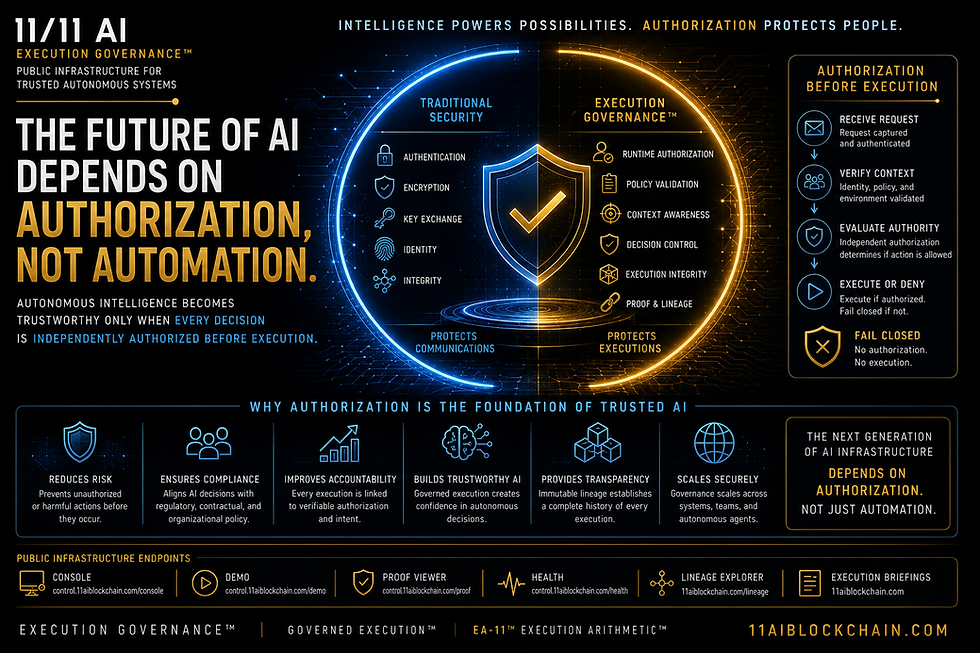
Integrating AI with quantum-resilient technologies ensures that security systems remain governable, accountable, and secure for decades. This is essential for critical institutions that cannot afford downtime or breaches.
Building Trust and Accountability with Explainable AI
Security systems must be trustworthy. When AI makes decisions about threats or access control, stakeholders need to understand why.
Explainable AI (XAI) addresses this need. It provides clear, understandable reasons behind AI actions. This transparency is vital for:
Regulatory Compliance: Many regulations require audit trails and explanations for automated decisions.
Incident Investigation: Understanding AI decisions helps in analyzing security incidents.
User Confidence: When users trust AI, they are more likely to accept its recommendations.
Implementing XAI involves choosing AI models that are interpretable or using tools that explain complex models. It also means documenting AI workflows and decision criteria.
By prioritizing explainability, organizations can ensure AI innovations enhance security without sacrificing accountability.
Final Thoughts on Leveraging AI Innovations for Secure Systems
The future of secure systems depends on embracing AI innovations thoughtfully. These technologies offer powerful tools to detect threats, automate responses, and build resilient infrastructures.
By focusing on practical implementation, quantum resilience, and explainability, organizations can create security systems that stand the test of time. The goal is clear - to keep critical data and operations safe in an increasingly complex digital landscape.
If you want to explore how 11 ai innovations can transform your security systems, now is the time to act. The right AI strategy will not only protect your assets but also empower your teams to respond faster and smarter.
Security is a continuous journey. Leveraging AI innovations is the path forward.

Comments