
“Quantum Auditability: The Problem No One Is Solving”


Quantum computing promises to transform industries, from finance to healthcare, by solving problems beyond the reach of classical machines. Yet, a critical barrier stands in the way of widespread adoption, especially within government and enterprise sectors: auditability. Without clear, verifiable ways to audit quantum systems, deployment remains out of reach. This post explores why auditability matters, why current approaches fall short and what must change for quantum technology to gain trust and compliance.
Why Auditability Is a Real Blocker
Governments and large enterprises operate under strict regulations and compliance standards. These organizations require transparency and accountability in their systems. Quantum computing introduces new challenges because its operations are fundamentally different from classical computing.
A quantum system that cannot be audited cannot be trusted or deployed in sensitive environments. Auditability means more than just logging events or tracking system activity. It requires a clear, verifiable record that can be independently checked to ensure the system behaves as expected.
Security professionals emphasize this point because without auditability, risks multiply. Undetected errors or malicious interference could compromise results, leading to costly or dangerous outcomes. Yet, few discussions focus on this issue, leaving a gap in the conversation about quantum readiness.
Why Logs Are Not Enough
Many assume that keeping logs or records of system activity provides sufficient auditability. This assumption is misleading. Logs capture what happened but do not guarantee correctness or compliance with rules. They can be incomplete, tampered with, or misinterpreted.
In quantum computing, the complexity and probabilistic nature of operations make logs even less reliable. For example, quantum states collapse upon measurement and many intermediate steps cannot be observed directly. This means logs might miss critical information or fail to prove that computations followed required protocols.
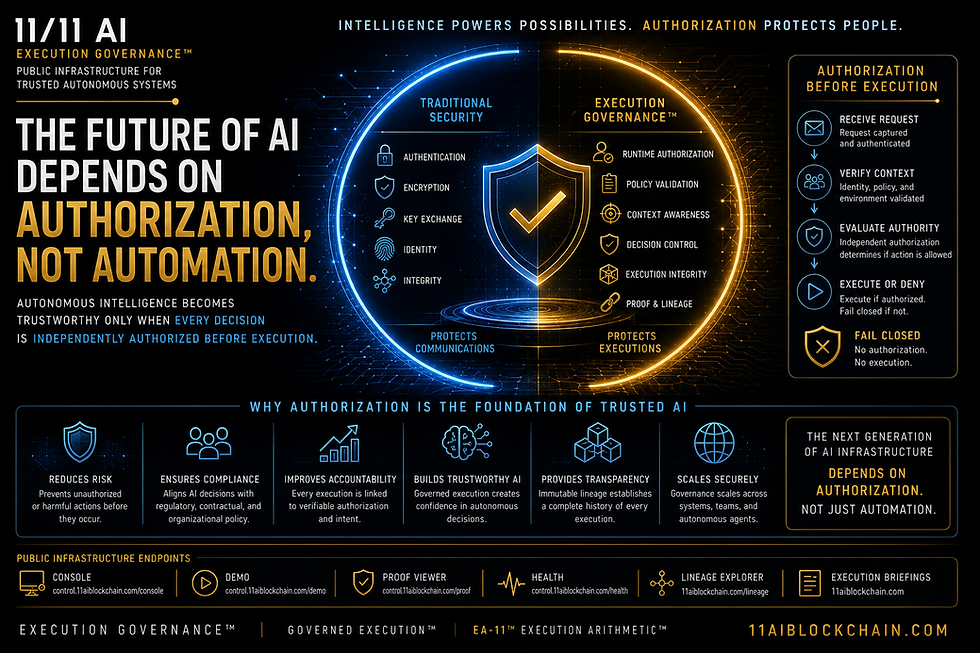
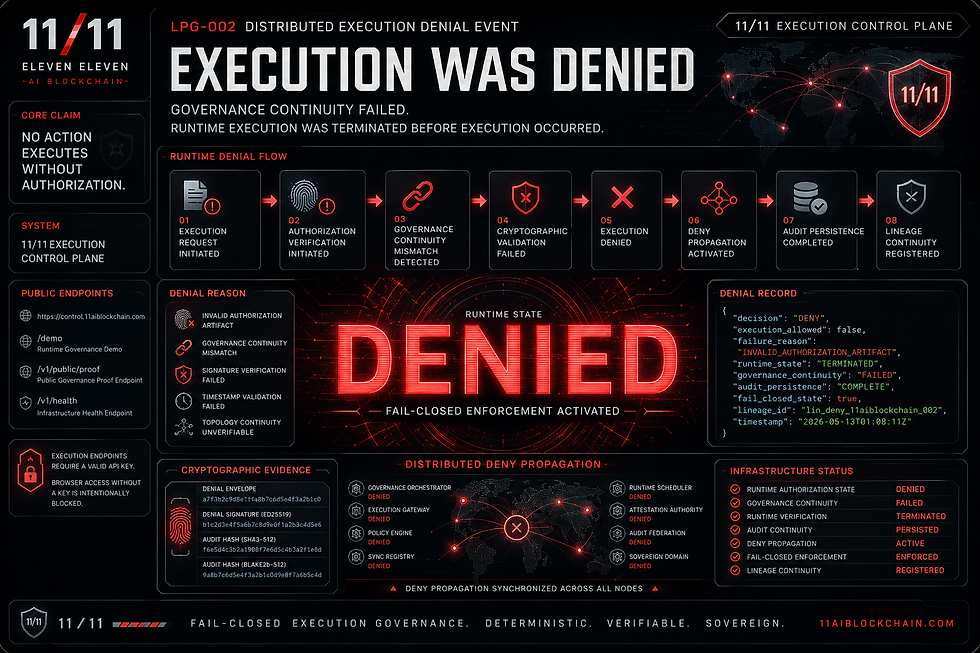
Auditability demands more than logs. It requires executable compliance a system where rules and checks are embedded in the process itself, ensuring that every step can be verified and reproduced.
Why Compliance Must Be Executable
Compliance in classical IT often relies on policies, audits and manual checks. Quantum systems need a different approach. Compliance must be executable, meaning that the system enforces rules automatically and produces verifiable evidence of adherence.
This approach reduces human error and increases trust. For example, a quantum algorithm designed for financial modeling must not only produce results but also prove that it followed regulatory constraints during execution. This proof must be machine-checkable and resistant to tampering.
Executable compliance requires new tools and frameworks that integrate verification into the quantum workflow. It also demands collaboration between quantum developers, security experts and compliance officers to define clear, enforceable rules.
Why Languages Must Encode Verification
Programming languages for quantum computing today focus mainly on expressing algorithms and managing qubits. However, they often lack built-in support for verification and auditability.
To solve the auditability problem, quantum languages must evolve to encode verification directly. This means:
Embedding formal specifications of what the program should do
Automatically generating proofs or certificates of correctness
Supporting traceability of operations for independent review
Such languages would allow developers to write quantum programs that come with built-in guarantees. This would make audits straightforward and reduce the risk of errors or malicious code.
For example, a quantum language could require that every operation includes a proof that it complies with security policies. Auditors could then review these proofs rather than relying on external logs or guesswork.
The Path Forward for Quantum Auditability
Addressing auditability is essential for quantum computing to gain massive government and enterprise appeal. Without it, organizations will hesitate to adopt quantum solutions due to compliance risks and lack of trust.
Key steps include:
Raising awareness about the auditability challenge among quantum researchers and industry leaders
Developing standards and frameworks for executable compliance in quantum systems
Creating quantum programming languages that integrate verification and proof generation
Engaging security professionals early to shape auditability requirements and tools
By focusing on these areas, the quantum community can build systems that are not only powerful but also transparent and trustworthy.

Comments