
Stablecoins and the Future of Payments: How Digital Currency Will Transform Finance by 2026
- 11/11 AI

- Jan 9
- 3 min read
Stablecoins, digital currencies pegged to real-world assets like the US dollar, are no longer just a niche part of the cryptocurrency world. In 2026, they are becoming a key part of how money moves globally. What started as an experimental technology is now a practical tool for businesses, consumers, and cross-border payments. This shift is changing the way we think about money and finance. Here’s why stablecoins are going mainstream and what that means for the future of payments.
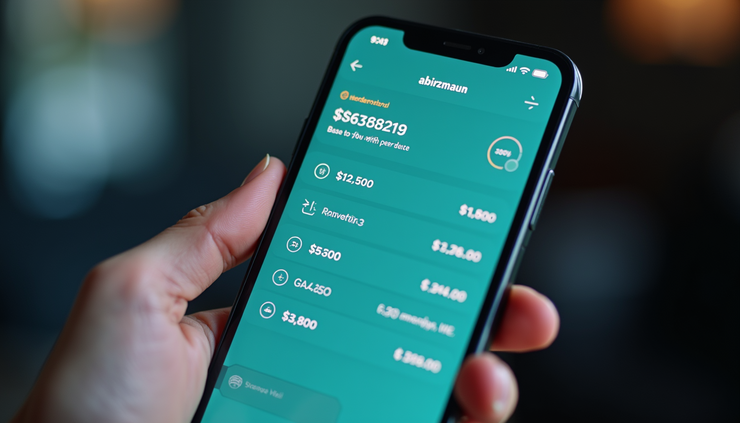
Stablecoins Are Moving Beyond the Crypto Niche
Stablecoins have evolved from being just tokens traded on crypto exchanges to becoming real payment rails. Several key technologies now work together smoothly:
Blockchain networks that settle transactions quickly and securely
Regulated custody solutions that keep funds safe
Easy ways to convert between fiat money and stablecoins
User-friendly wallets that support everyday payments
This combination means stablecoins are no longer on the edge of finance. They are starting to work alongside traditional payment systems. For example, Visa has developed infrastructure to support stablecoin payouts and account-to-account settlements. This shows a clear move toward integrating stablecoins into everyday financial transactions.
Regulation Is Making Stablecoins Ready for Business
One major challenge for stablecoins has been unclear regulation. Businesses hesitated to use them because the rules were uncertain. That is changing fast. In the United States, the GENIUS Act has created a clear legal framework for issuing and managing payment stablecoins. This gives companies the confidence to build large-scale, compliant payment solutions.
Other regions like the European Union, Singapore, Hong Kong, and the Gulf are also tightening rules around audits and reserves for stablecoins. These rules make stablecoins safer and more reliable for businesses. Clear regulation means companies can plan and operate without worrying about sudden legal changes. This stability is crucial for widespread adoption.
Stablecoins Are Solving Cross-Border Payment Problems
Cross-border payments have long been slow, expensive, and complicated. Traditional systems often take days to settle and charge high fees. Stablecoins offer a faster, cheaper alternative. Because they operate on blockchain networks, transactions can settle in minutes or seconds, regardless of borders.
For example, companies like Thunes are using stablecoins to enable instant international payments. This reduces costs and speeds up cash flow for businesses and individuals. Stablecoins also provide transparency, making it easier to track payments and reduce fraud.
How Consumers Benefit from Stablecoin Payments
Stablecoins are not just for businesses. Consumers are starting to see the benefits too:
Faster payments without waiting days for bank transfers
Lower fees for sending money internationally
More control over digital money through wallets and apps
In countries with unstable local currencies, stablecoins offer a way to protect savings and make purchases without worrying about inflation. This practical use is driving consumer interest and adoption.
What the Future Holds for Stablecoins and Payments
Looking ahead, stablecoins will likely become a standard part of the global payments landscape. Here are some trends to watch:
More partnerships between traditional banks and stablecoin platforms
Increased use of stablecoins in e-commerce and retail payments
Growth in programmable money, where payments can be automated with smart contracts
Expansion of stablecoin use in emerging markets for financial inclusion
As infrastructure and regulation improve, stablecoins will support a wider range of financial services, making payments faster, cheaper, and more accessible worldwide.



Comments