
The Critical Role of System Architecture in Securing AI and Quantum Technologies

Artificial intelligence and quantum computing are reshaping technology at an unprecedented pace. While much attention goes to algorithms and raw performance, the true foundation of long-term security lies deeper. The architecture of these systems the way components connect, interact and enforce rules determines their resilience against evolving threats. This post explores why system architecture is the key to securing AI and quantum technologies for the future.
Why Architecture Matters More Than Components
Security discussions often focus on individual elements like encryption algorithms or AI models. These are important, but they represent only part of the picture. The architecture defines how these elements work together, how boundaries are enforced, and how trust is maintained over time.
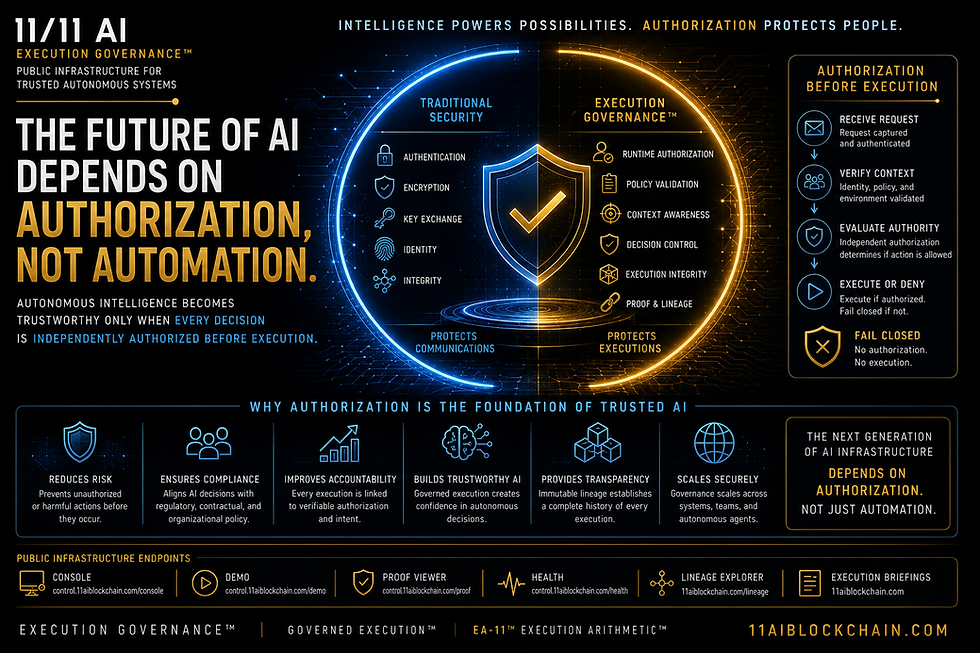
Consider two systems using the same quantum-resistant algorithm. One has a loosely connected design with weak boundary enforcement, while the other integrates strict execution controls and audit trails. The latter will withstand attacks and adapt better to new threats because its architecture supports ongoing security, not just initial protection.
Key Architectural Principles for Durable Security
Several architectural decisions shape the long-term trustworthiness of AI and quantum-aware systems:
Boundary Enforcement
Clear separation between components limits the spread of breaches. For example, isolating quantum key management from AI processing prevents a compromise in one area from cascading.
Execution Determinism
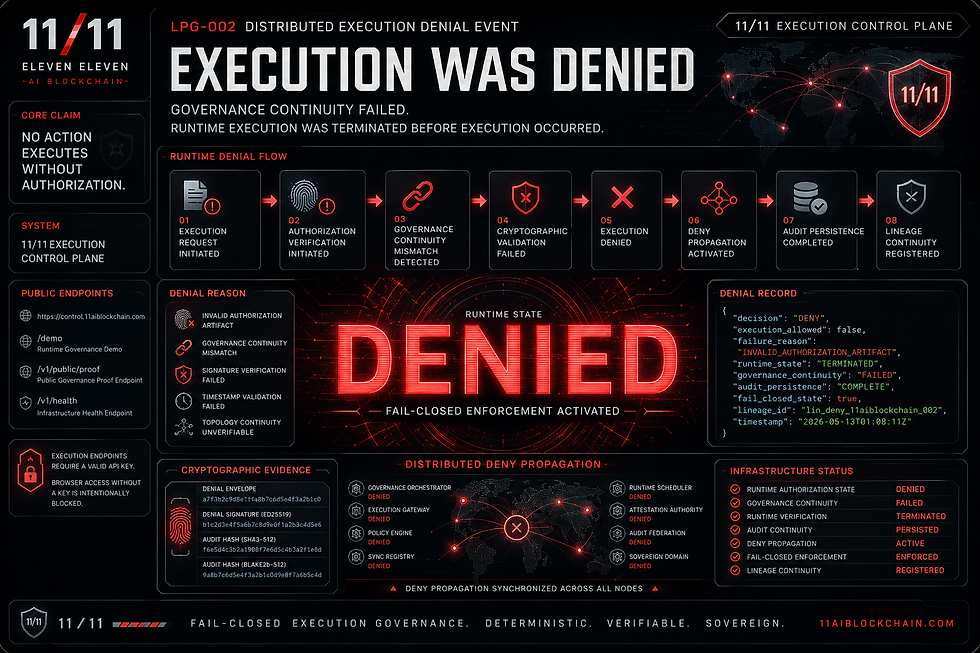
Predictable system behavior reduces vulnerabilities. Deterministic execution helps detect anomalies and prevents attackers from exploiting unpredictable states.
Audit Integration
Built-in logging and monitoring provide transparency. Continuous auditing supports accountability and rapid response to incidents.
Governance Separation
Dividing control between operational and security teams avoids conflicts of interest and enforces checks and balances.
These principles create a framework where security is not an afterthought but a core system attribute.
Comparing Short-Cycle Applications and Long-Horizon Infrastructure
AI applications often evolve rapidly, with frequent updates and feature changes. This short-cycle approach focuses on immediate functionality and performance. While necessary for innovation, it can introduce security gaps if architecture is neglected.
In contrast, infrastructure supporting AI and quantum technologies requires long-term thinking. Infrastructure must remain secure and reliable over years or decades. Architectural design here prioritizes stability, clear interfaces and upgrade paths that do not compromise security.
For example, a quantum-safe communication network designed with layered architecture and strict boundary controls will maintain trust even as quantum algorithms evolve. A short-cycle app without these architectural safeguards risks exposure with every update.
Real-World Examples of Architectural Impact
Quantum Key Distribution Networks
These networks rely on architectural separation between quantum channels and classical control systems. This separation limits attack surfaces and supports secure key exchange even if parts of the system are compromised.
AI in Healthcare Systems
Healthcare AI systems that integrate audit trails and governance separation ensure patient data privacy and regulatory compliance. Architecture that enforces these controls prevents unauthorized access and supports trust.
Cloud Providers Adopting Quantum Security
Leading cloud providers build quantum-aware infrastructure with layered security architecture. This includes hardware isolation, deterministic execution environments and continuous auditing to protect customer workloads.
Building Architecture for the Future
Designing secure AI and quantum systems requires collaboration between architects, developers and security experts. Key steps include:
Defining clear boundaries between components
Ensuring deterministic and verifiable execution
Embedding audit and monitoring capabilities from the start
Separating governance roles to enforce security policies
Planning for long-term maintenance and upgrades without weakening security
By focusing on these architectural elements, organizations can build systems that remain trustworthy as technologies and threats evolve.
Final Thoughts
The future of AI and quantum security depends on more than algorithms or hardware speed. It depends on the architecture that holds these pieces together. Systems designed with strong boundary enforcement, execution determinism, audit integration and governance separation will stand the test of time.

Comments