
The Rise of Agentic AI and Its Transformative Impact on Business and Daily Life

Artificial intelligence is moving beyond simple responses to questions. In 2026, a new wave of AI systems called agentic AI is reshaping how businesses operate and how people manage daily tasks. These AI agents act autonomously, making decisions and taking actions on behalf of humans. This shift is changing workflows, boosting productivity and redefining human-AI collaboration.

What Is Agentic AI?
Agentic AI refers to artificial intelligence systems designed to perform tasks independently, without constant human input. Unlike traditional generative AI models that generate text, images, or code based on prompts, agentic AI takes initiative. It can plan, execute and adjust actions to achieve specific goals.
For example, a traditional AI might generate an email draft when asked. An agentic AI would automatically schedule meetings, send follow-ups and update calendars based on the email content, all without waiting for further instructions.
This autonomy comes from combining generative models with decision-making frameworks and real-time data access. Agentic AI can interact with multiple applications, learn from outcomes and improve its performance over time.
Biggest Industries Adopting AI Agents in 2026
Several industries are leading the adoption of agentic AI, integrating these systems into core operations:
Manufacturing
AI agents control factory robots, monitor production lines and adjust workflows to reduce downtime. They predict maintenance needs and optimize supply chains.
Healthcare
Autonomous AI assists in patient scheduling, medical record management and even preliminary diagnosis support. It helps doctors focus on complex cases by handling routine tasks.
Finance
AI agents manage portfolio adjustments, detect fraud and automate compliance reporting. They respond quickly to market changes and regulatory updates.
Customer Service
Beyond chatbots, agentic AI handles entire customer journeys, from inquiry to resolution, escalating issues only when necessary.
Logistics and Transportation
AI agents optimize delivery routes, manage fleet maintenance and coordinate warehouse operations to improve efficiency.
Enterprise Wins and Corporate Case Studies
Several companies have reported significant gains by deploying agentic AI:
A global retailer implemented AI agents to manage inventory and reorder stock automatically. This reduced stockouts by 30% and lowered excess inventory costs by 20%.
A financial services firm uses AI agents to monitor transactions and flag suspicious activity in real time. This system cut fraud losses by 40% within the first year.
A healthcare provider adopted AI agents to schedule patient appointments and send reminders. Patient no-shows dropped by 25%, improving clinic efficiency.
A manufacturing company deployed AI agents to oversee robotic assembly lines. Production speed increased by 15%, and machine downtime decreased by 10%.
These examples show how agentic AI can handle complex, ongoing tasks that require adaptation and decision-making, freeing human workers to focus on higher-value activities.
Risks, Governance and Human Oversight
While agentic AI offers many benefits, it also raises concerns that businesses and regulators must address:
Accountability
When AI agents act autonomously, it can be unclear who is responsible for mistakes or unintended consequences.
Bias and Fairness
AI agents may inherit biases from their training data or decision rules, leading to unfair outcomes.
Security
Autonomous systems connected to critical infrastructure could be targets for cyberattacks.
Transparency
Understanding how AI agents make decisions is essential for trust and compliance.
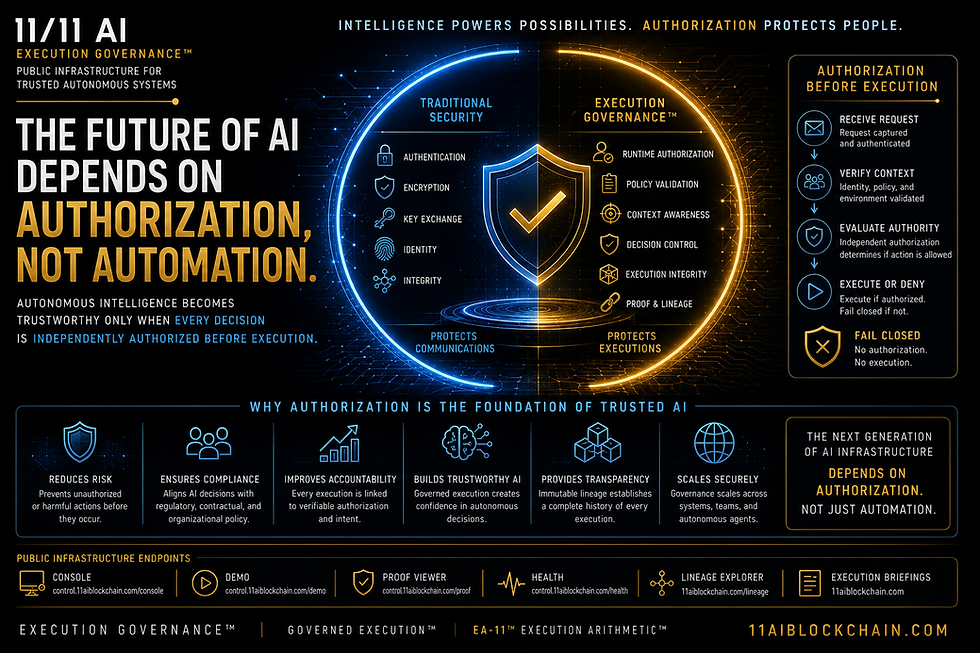
To manage these risks, companies are developing governance frameworks that include:
Clear policies on AI agent roles and limits
Regular audits and performance reviews
Human-in-the-loop controls for sensitive decisions
Transparent reporting on AI actions and outcomes
How Agentic AI Will Change Productivity, Jobs, and Human Collaboration
Agentic AI is set to transform work and daily life in several ways:
Boosting Productivity
By automating routine and repetitive tasks, AI agents allow workers to focus on creativity, strategy and complex problem-solving.
Changing Job Roles
Some jobs will evolve to include managing and collaborating with AI agents. New roles will emerge around AI supervision, training, and ethics.
Enhancing Collaboration
AI agents can coordinate schedules, manage communications and provide real-time insights, making teamwork smoother and more efficient.
Personal Life Impact
Beyond work, agentic AI will help manage personal schedules, finances and home automation, creating more free time and reducing stress.
The key to success will be designing AI agents that complement human skills rather than replace them, fostering partnerships where both humans and AI contribute their strengths.

Comments