
The Rise of AI Platforms: Redefining Competitive Advantage Beyond Models
- 11/11 AI

- Feb 6
- 3 min read
Artificial intelligence has long been defined by the power of its models. From early machine learning algorithms to today's large language models, the focus has been on building better, faster and more accurate AI models. But this focus is shifting. The real competitive edge now lies not just in the model itself but in the platform that runs, governs, and scales it. This shift marks a new phase in AI development, one where platforms take center stage and redefine how organizations build and deploy AI.

Why Models Alone No Longer Lead
AI models have improved dramatically over the past decade. Advances in architecture, training data, and compute power have produced models capable of impressive feats from natural language understanding to image recognition. Yet, these models are only part of the story.
Models require infrastructure to operate effectively. They need systems for deployment, monitoring, governance and integration with other business processes. Without these, even the most advanced model struggles to deliver consistent value at scale.
Many organizations have realized that investing solely in models limits their ability to innovate and compete. Models can be replicated or licensed, but platforms that manage the entire AI lifecycle create lasting differentiation.
What Defines an AI Platform
An AI platform is a comprehensive system that supports the development, deployment, management, and scaling of AI models. It goes beyond the model itself to include:
Data pipelines that prepare and feed data efficiently
Model training environments that enable experimentation and iteration
Deployment tools that integrate models into applications and services
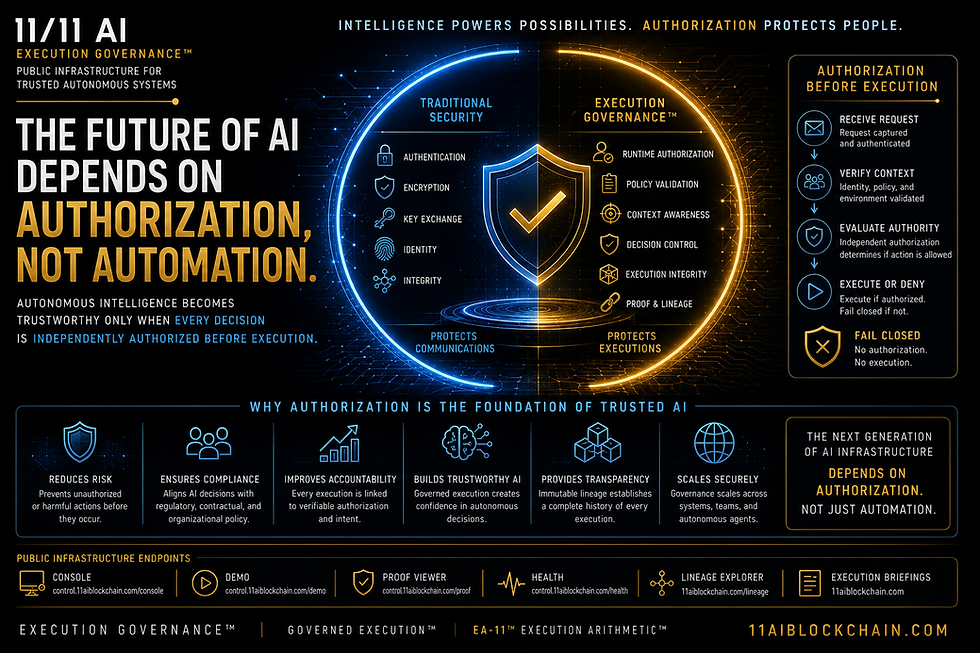
Governance frameworks that ensure compliance, fairness and security
Monitoring systems that track model performance and detect drift
Collaboration features that connect data scientists, engineers and business teams
This platform approach treats AI as a system, not just a component. It enables organizations to build AI solutions faster, maintain them more easily and adapt to changing needs.
How Platforms Reflect AI Maturity
The shift from model-centric to platform-centric thinking signals AI maturity. Early AI efforts focused on creating models that worked in controlled settings. Now, organizations face real-world challenges like scaling, compliance and integration.
Hyperscale cloud providers have embraced this platform mindset. Their AI offerings combine powerful models with tools and services that manage the entire AI workflow. This approach helps customers move from experimentation to production with confidence.
For example, Microsoft Azure AI and Google Cloud AI provide platforms that include pre-trained models, custom training, deployment pipelines and governance controls. These platforms enable businesses to focus on solving problems rather than wrestling with infrastructure.
Competitive Advantage Lies in the Platform
The platform is where competitive advantage grows. It enables:
Speed: Rapidly develop and deploy AI solutions without rebuilding infrastructure
Consistency: Maintain quality and compliance across AI applications
Scalability: Handle growing data volumes and user demands seamlessly
Flexibility: Adapt models and workflows as business needs evolve
Collaboration: Break down silos between teams for better innovation
Organizations that invest in building or adopting strong AI platforms position themselves to lead in AI adoption and impact.
Real-World Examples
Consider a financial services firm using AI for fraud detection. A powerful model alone cannot handle the complexity of real-time transactions, regulatory requirements and evolving fraud tactics. A platform that integrates data streams, automates retraining, enforces compliance rules and monitors alerts provides a complete solution.
Another example is a healthcare provider deploying AI for diagnostics. The platform manages patient data securely, supports model validation, and tracks outcomes to improve accuracy over time. This system-level approach ensures AI delivers safe and effective care.
Building Systems, Not Just Models
The rise of AI platforms reinforces the need to think in systems. AI is not a standalone product but part of a larger ecosystem involving data, people, processes, and technology.
Teams must shift their mindset from building isolated models to creating integrated platforms that support continuous learning and improvement. This requires new skills, tools and organizational structures.
What This Means for AI Development
The move toward platforms changes how AI projects succeed:
Invest in infrastructure as much as in models
Prioritize governance and monitoring to manage risks
Enable cross-functional collaboration to align AI with business goals
Focus on scalability and adaptability to future-proof AI solutions
This approach leads to more reliable, impactful AI deployments that drive real business value.

Comments