
The Shift from Blind Trust to Continuous Verification in Enterprise AI

Enterprises are adopting AI at an unprecedented pace, hoping to unlock new efficiencies and insights. Yet many still operate under a risky assumption: once an AI model is deployed, it can be trusted indefinitely. This mindset no longer fits the reality of modern AI systems. Unlike traditional software, AI models evolve, learn and interact with external data continuously. Blind trust in these systems creates hidden risks that can lead to costly errors or security breaches.
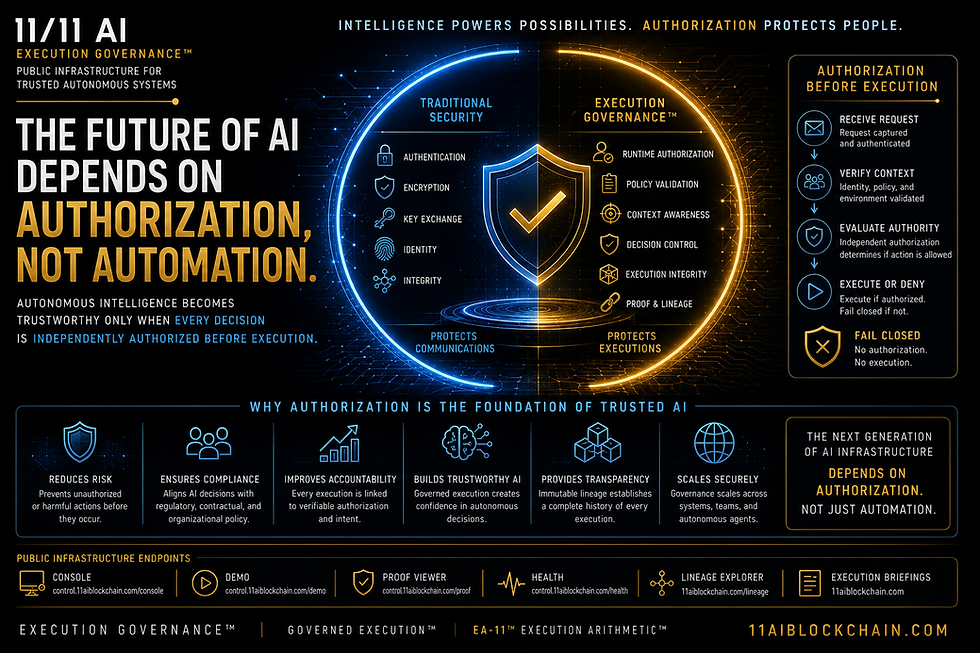
This post explores why trusting AI models without ongoing checks is no longer a valid strategy. It highlights how enterprises can move toward continuous verification, bounded execution, and provable authorization to manage AI risk effectively. Understanding this shift is essential for organizations aiming to lead in the AI era while avoiding invisible dangers.
Why Trusting AI Models Once Is Dangerous
Traditional software behaves predictably once deployed. Its code remains static until updated by developers. In contrast, many AI systems today learn from new data, adapt their behavior and sometimes make autonomous decisions. This dynamic nature means a model’s performance and reliability can change over time.
For example, a fraud detection model trained on last year’s data might perform well initially but degrade as fraud patterns evolve. If the system is trusted blindly, it could miss new fraud types or generate false alarms, causing financial loss or customer dissatisfaction.
Moreover, AI models often interact with external data sources and APIs. Changes in these inputs can affect outputs unpredictably. Without continuous monitoring, organizations may not detect when a model drifts from expected behavior.
Key risks of blind trust include:
Model drift: Performance degradation as data patterns change
Data poisoning: Malicious manipulation of training or input data
Unauthorized actions: AI systems acting beyond intended limits
Compliance violations: Models producing biased or non-compliant decisions
These risks highlight why enterprises must rethink how they trust AI systems.
The Need for Continuous Verification
AI research and practice now emphasize that trust must be earned continuously, not granted once. Continuous verification means regularly checking AI models against defined standards and real-world outcomes.
This approach involves:
Ongoing performance monitoring: Tracking accuracy, precision, recall, and other metrics over time
Behavioral audits: Examining decisions for fairness, bias, and compliance
Anomaly detection: Identifying unusual model outputs or data inputs
Re-training triggers: Automatically updating models when performance drops below thresholds
For instance, a retail company using AI for personalized recommendations might monitor click-through rates and customer feedback continuously. If recommendations start to decline in relevance, the system triggers a review and retraining process.
Continuous verification helps organizations catch problems early, maintain model quality and build stronger confidence in AI outputs.

Continuous monitoring of AI systems in a data center ensures ongoing verification and risk management.
Moving Toward Provable Authorization and Bounded Execution
Beyond verification, enterprises must control what AI systems are allowed to do. Provable authorization means defining clear permissions and limits for AI actions, backed by verifiable proofs.
Bounded execution restricts AI systems to operate within safe, predefined boundaries. This prevents models from taking unauthorized or harmful actions, even if they learn or adapt unexpectedly.
Examples include:
Access controls: Limiting AI’s ability to modify sensitive data or systems
Execution sandboxes: Running AI processes in isolated environments to contain errors
Policy enforcement: Automatically blocking actions that violate compliance rules
A financial institution might deploy an AI-powered loan approval system that can recommend but not finalize decisions without human review. This boundary ensures accountability and reduces risk.
Together, provable authorization and bounded execution create a safety net that complements continuous verification.
Practical Steps for Enterprises to Adapt
Organizations can take several concrete steps to shift from blind trust to continuous verification:
Implement real-time monitoring tools that track AI model health and flag anomalies
Establish governance frameworks defining roles, responsibilities and approval processes for AI changes
Use explainability techniques to understand model decisions and detect bias or errors
Automate retraining pipelines triggered by performance drops or data shifts
Define clear operational limits for AI systems and enforce them through technical controls
Conduct regular audits involving cross-functional teams including legal, compliance and security experts
For example, a healthcare provider using AI for diagnostics might combine continuous monitoring with human-in-the-loop reviews to ensure patient safety and regulatory compliance.
Why Early Adopters Will Lead
Enterprises that recognize the need for continuous trust-building will gain a competitive edge. They will reduce costly mistakes, improve compliance and foster greater confidence among customers and partners.
Ignoring this shift means inheriting invisible risks that can damage reputation, cause financial loss, or trigger regulatory penalties. Blind trust in AI models is no longer a sustainable strategy.
The future enterprise AI stack will be built on continuous verification, provable authorization and bounded execution. These principles ensure AI systems remain reliable, safe and aligned with organizational goals.
Trust in AI must be earned every day, not assumed once. Organizations ready to embrace this reality will lead the way in responsible, effective AI adoption.


Comments