
Understanding AI Transformative Applications: The Transformative Impact of AI

Updated: Apr 28
Artificial intelligence is no longer a concept of the future. It is here, reshaping how critical institutions operate. From governments to financial institutions, AI is transforming processes, decision-making, and security. I want to share insights on how AI is making this impact and what it means for regulated enterprises.
Exploring AI Transformative Applications
AI’s transformative applications are vast and growing. They touch every sector, but especially those that require high security, accountability, and governance. For example, in defense, AI helps analyze vast amounts of data quickly to identify threats. In finance, AI detects fraud patterns that humans might miss. Governments use AI to improve public services and policy enforcement.
The key is that AI is not just automating tasks. It is enhancing human capabilities. It provides tools that help institutions make better decisions faster. This is crucial for sectors where timing and accuracy can have significant consequences.
Some practical examples include:
Predictive analytics for risk management in banking.
Automated threat detection in cybersecurity for government networks.
AI-driven compliance monitoring to ensure regulations are met without manual oversight.
These applications show how AI is not just a tool but a foundation for smarter, more secure operations.

Is 11% AI high?
When discussing AI adoption, a common question is: Is 11% AI high? This figure can refer to the percentage of AI integration in a system or process. In many regulated sectors, even a small percentage of AI involvement can be significant. This is because these sectors prioritize security and accountability over rapid adoption.
An 11% AI integration means that AI handles a meaningful portion of tasks, but humans still oversee critical decisions. This balance is essential. It ensures AI supports operations without compromising control or governance.
For example, in financial institutions, AI might automate 11% of transaction monitoring. This automation speeds up fraud detection but leaves complex cases to human experts. This approach reduces risk while improving efficiency.
Understanding this balance helps institutions plan AI adoption carefully. It also highlights the importance of quantum-resilient infrastructure to protect AI systems from future threats.
The Role of Quantum-Resilient Infrastructure in AI
AI’s power depends on the infrastructure supporting it. As AI systems grow more complex, they require robust, secure foundations. This is where quantum-resilient infrastructure comes in. It protects AI and advanced computation from emerging quantum computing threats.
Quantum computers have the potential to break current encryption methods. For institutions handling sensitive data, this is a critical risk. Quantum-resilient infrastructure uses advanced cryptography to secure AI systems against these threats.
Implementing this infrastructure means:
Long-term security for AI-driven operations.
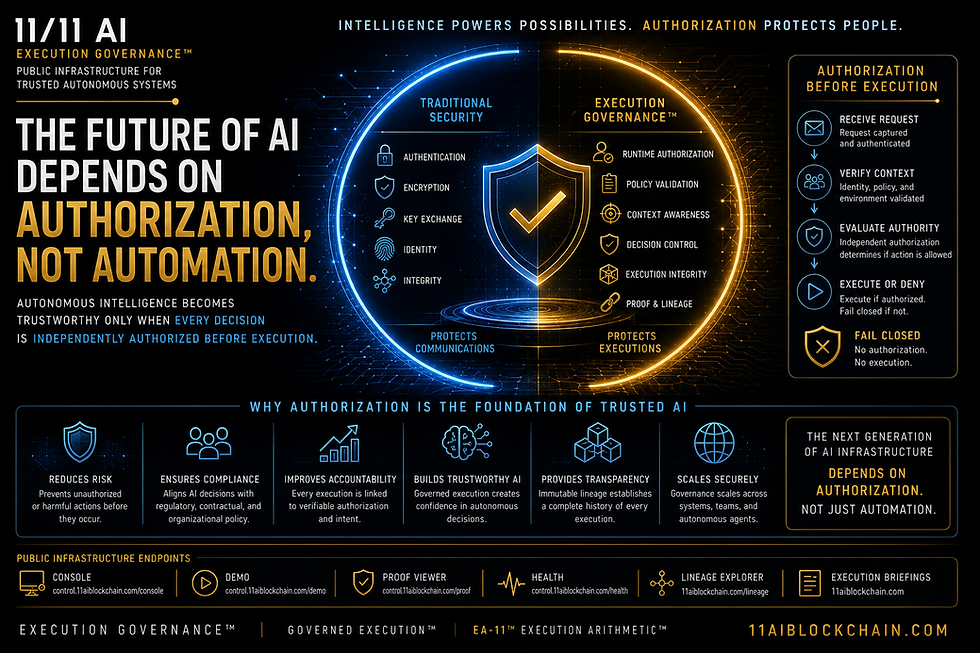
Governability ensuring AI systems remain under control.
Accountability by maintaining transparent and auditable AI processes.
This infrastructure is essential for governments, defense, and financial institutions that cannot afford security breaches or loss of control.

Practical Steps for Integrating AI Securely
Integrating AI into critical systems requires careful planning. Here are practical steps institutions can take:
Assess current processes to identify where AI can add value without increasing risk.
Implement AI incrementally, starting with low-risk tasks to build trust and understanding.
Invest in quantum-resilient infrastructure to future-proof AI systems.
Establish clear governance frameworks to oversee AI operations and ensure accountability.
Train staff to work alongside AI, focusing on interpreting AI outputs and making final decisions.
Regularly audit AI systems to detect biases, errors, or security vulnerabilities.
By following these steps, institutions can harness AI’s benefits while maintaining control and security.
Why Accountability and Governance Matter in AI
AI’s transformative power comes with responsibility. For regulated enterprises, accountability and governance are not optional. They are essential.
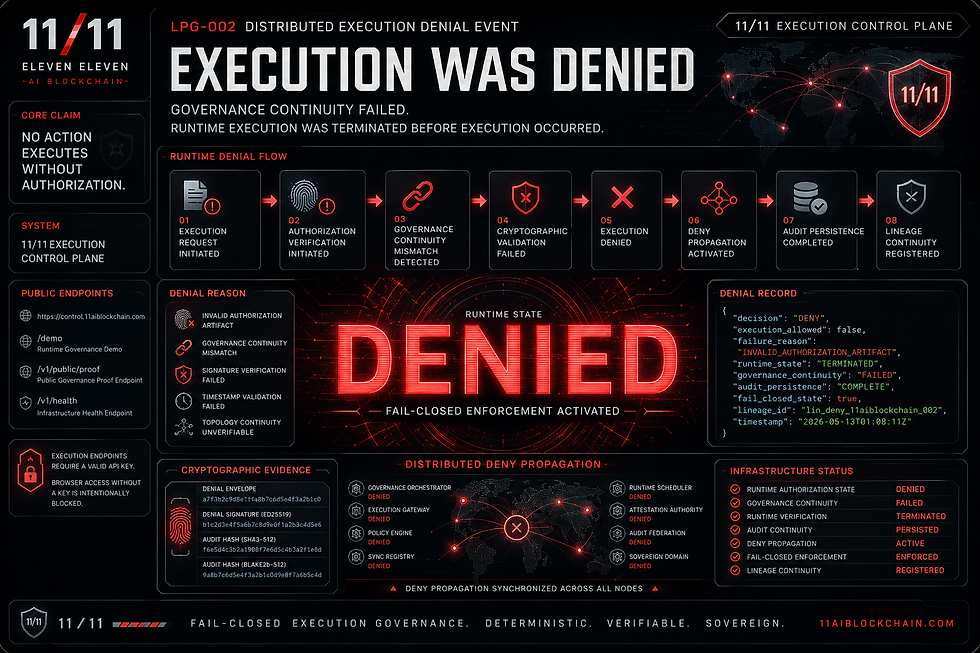
AI systems can make mistakes or be manipulated. Without proper oversight, these errors can have serious consequences. Governance frameworks ensure AI decisions are transparent and auditable. Accountability means someone is responsible for AI outcomes.
This is especially important in sectors like defense and finance, where AI decisions affect national security and economic stability. Institutions must:
Define clear roles for AI oversight.
Use explainable AI models that provide insight into decision-making.
Maintain logs and records of AI activity for audits.
Ensure compliance with regulations and ethical standards.
Strong governance builds trust in AI systems and protects institutions from risks.
Looking Ahead: The Future of AI in Critical Institutions
The future of AI in critical institutions is promising but demands vigilance. As AI evolves, so do the challenges. Quantum computing, data privacy, and ethical concerns will shape AI’s path.
Institutions must stay ahead by investing in foundational technologies like quantum-resilient infrastructure. They must also foster a culture of continuous learning and adaptation.
I encourage leaders to view AI not just as a technology upgrade but as a strategic asset. It can enhance security, efficiency, and decision-making for decades to come.
For those interested in exploring AI’s potential further, resources like https://www.11aiblockchain.com/ offer insights into cutting-edge developments in AI and blockchain technologies.
AI is transforming the landscape. The question is not if, but how we will harness it responsibly.
By understanding AI’s transformative impact and preparing accordingly, critical institutions can secure their future in an increasingly complex world.

Comments