
Unveiling the Impact of AI Innovations on AI Governance Impacts

Updated: Apr 28
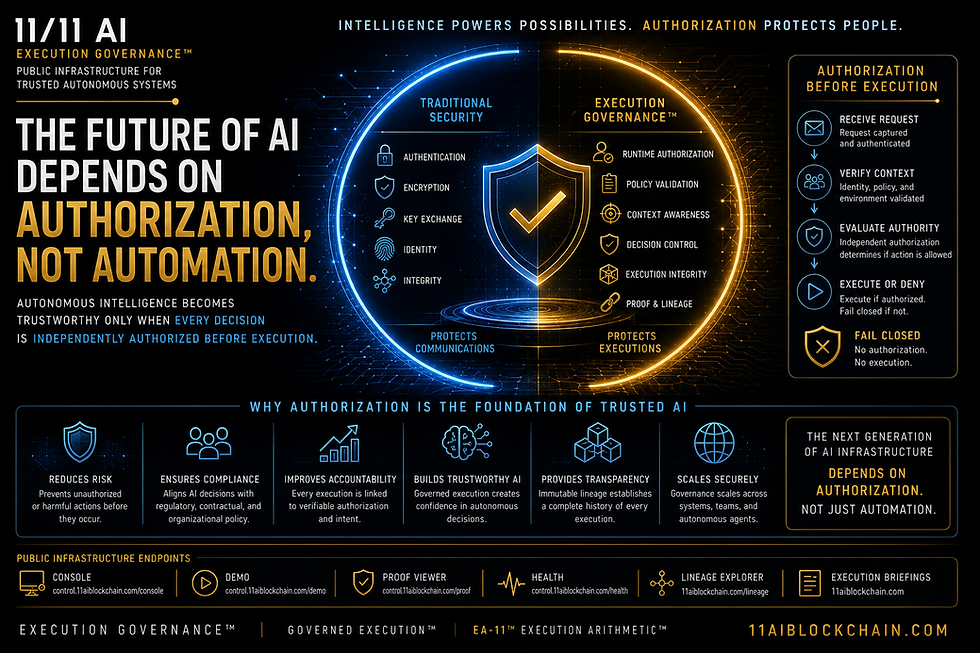
Artificial intelligence is no longer a distant concept. It is here, reshaping industries and redefining how critical institutions operate. The pace of AI innovation is rapid, and its influence is profound. As someone deeply involved in this space, I see firsthand how AI governance impacts the future of governments, defense, financial institutions and regulated enterprises.
AI is powerful. But with power comes responsibility. Ensuring AI remains governable, accountable and secure is not optional. It is essential. This post explores the real-world impact of AI innovations, focusing on governance challenges and opportunities. I will share practical insights and examples to help navigate this evolving landscape.
Understanding AI Governance Impacts
AI governance is about more than just rules. It is about creating frameworks that ensure AI systems operate safely, ethically and transparently. For critical institutions, this means balancing innovation with risk management.
AI governance impacts how decisions are made, how data is handled and how accountability is maintained. For example, in financial institutions, AI-driven algorithms must comply with strict regulations to prevent fraud and ensure fairness. In defense, AI systems require robust oversight to avoid unintended consequences.
The challenge is that AI evolves faster than regulations. This gap creates risks but also opportunities. Institutions that adopt strong governance frameworks can leverage AI innovations confidently and responsibly.
Key elements of AI governance include:
Transparency in AI decision-making processes
Accountability for AI outcomes
Security measures to protect AI systems from threats
Ethical guidelines to prevent bias and discrimination
Compliance with legal and regulatory standards
These elements form the foundation for sustainable AI adoption in sensitive sectors.

The Role of AI Innovations in Strengthening Governance
AI innovations are not just about automation or efficiency. They also offer tools to enhance governance itself. For instance, AI can monitor compliance in real-time, detect anomalies and provide audit trails that improve transparency.
One practical example is the use of AI in regulatory technology (RegTech). AI-powered systems can analyze vast amounts of data to identify suspicious activities or compliance breaches faster than traditional methods. This capability is invaluable for financial institutions facing complex regulatory environments.
Moreover, AI innovations in blockchain technology are creating new possibilities for secure and transparent data management. Blockchain combined with AI can ensure data integrity and traceability, which are critical for governance.
The company 11 AI Blockchain Developments LLC is pioneering efforts to build quantum-resilient infrastructure. Their work aims to secure AI and advanced computation for decades, ensuring that governance frameworks remain effective even as technology evolves.
Practical recommendations for leveraging AI innovations in governance:
Invest in AI tools that enhance transparency and auditability.
Collaborate with technology providers specializing in secure AI infrastructure.
Regularly update governance policies to reflect new AI capabilities and risks.
Train staff on AI ethics and compliance requirements.
Use AI to automate routine compliance checks, freeing resources for strategic oversight.
These steps help institutions stay ahead of risks while maximizing AI benefits.
Is 11% AI High?
When discussing AI adoption or AI-related metrics, a common question arises: Is 11% AI high? This figure can refer to various contexts, such as the percentage of AI-driven processes in an organization or the proportion of AI-related investments.
In many regulated sectors, 11% AI integration can be significant. It indicates a meaningful commitment to AI technologies without overwhelming existing systems. For example, a financial institution using AI for 11% of its transaction monitoring may already see substantial improvements in fraud detection.
However, the impact depends on the quality and scope of AI applications. A small percentage of AI can drive major changes if applied strategically. Conversely, a higher percentage with poor governance can increase risks.
The key is not just the number but how AI is governed. Effective governance ensures that even limited AI use delivers value safely and ethically.
Considerations when evaluating AI adoption levels:
What specific functions does AI support?
How mature are the AI systems in use?
Are governance frameworks in place to manage AI risks?
How does AI integration align with organizational goals?
Answering these questions provides a clearer picture of whether 11% AI is high or appropriate.

Challenges in AI Governance for Critical Institutions
Despite the promise of AI, governance challenges remain. Critical institutions face unique hurdles due to the sensitivity of their operations and the complexity of regulations.
Some common challenges include:
Data Privacy and Security: AI systems require large datasets, often containing sensitive information. Protecting this data is paramount.
Bias and Fairness: AI can unintentionally perpetuate biases present in training data, leading to unfair outcomes.
Transparency: Many AI models, especially deep learning, operate as "black boxes," making it hard to explain decisions.
Regulatory Compliance: Keeping up with evolving laws across jurisdictions is complex and resource-intensive.
Integration with Legacy Systems: Many institutions rely on older technology that may not support advanced AI tools easily.
Addressing these challenges requires a proactive approach. Institutions must prioritize governance as a core part of AI strategy, not an afterthought.
Actionable steps to overcome governance challenges:
Conduct regular AI risk assessments.
Implement explainable AI techniques to improve transparency.
Develop bias detection and mitigation protocols.
Engage with regulators early to shape AI policies.
Upgrade infrastructure to support secure AI deployment.
By tackling these issues head-on, institutions can build trust in AI systems and avoid costly pitfalls.
Looking Ahead: The Future of AI Governance
The future of AI governance will be shaped by ongoing innovations and the evolving needs of critical institutions. Quantum computing, for example, poses both opportunities and threats. It promises unprecedented computational power but also challenges current encryption methods.
This is why companies like 11 AI Blockchain Developments LLC focus on quantum-resilient infrastructure. Their work ensures that AI governance frameworks remain robust even in the face of quantum advances.
I believe the next decade will see tighter integration of AI governance into organizational culture. Governance will no longer be a separate function but embedded in every AI initiative. This shift will require continuous learning, adaptation and collaboration across sectors.
Key trends to watch:
Increased use of AI for self-governance and compliance automation.
Development of international AI governance standards.
Greater emphasis on ethical AI design from the outset.
Expansion of AI governance roles and expertise within organizations.
Integration of AI governance with cybersecurity strategies.
Staying informed and agile will be critical for institutions aiming to lead in this space.
AI innovations are transforming how critical institutions operate. But the true impact depends on how well these technologies are governed. By focusing on transparency, accountability, and security, institutions can harness AI's power responsibly.
The journey is ongoing. The stakes are high. But with the right governance frameworks, AI can be a force for good, driving progress while safeguarding trust and integrity.

Comments