
Web4 Unveiled The Future of AI Quantum Computing and Trust Management

The internet has changed the world many times. Each stage has shifted how people connect, share, and control information. We have moved from simple websites to interactive platforms and then to decentralized systems. Now, a new era is emerging Web4. This new phase combines artificial intelligence, quantum computing and real-time trust management to create a smarter, safer and more reliable internet. This post explores the journey from Web1 to Web4 and explains what this future holds.

The Beginning: Web1 as the Read-Only Internet
In the 1990s, the internet was mostly a place to read information. Websites were static pages built with HTML. People could visit and consume content, but interaction was limited. This era focused on publishing and sharing knowledge without much user involvement.
Static websites with fixed content
One-way communication from servers to users
No user identity or ownership of data
Web1 connected people globally but only on a surface level. It laid the foundation for future developments by making information accessible.
Web2 Brought Interaction and Platforms
The 2000s and 2010s introduced Web2, which allowed users to interact and create content. Social media, cloud computing and mobile apps became widespread. Platforms like Facebook, Google and Twitter controlled user identity, data and how value moved.
Key features of Web2:
Social media networks for sharing and communication
Cloud services hosting data and applications
APIs enabling integration between services
Centralized control over user data and identity
While Web2 made the internet more dynamic, it also introduced problems. Platforms owned user data, leading to privacy concerns and surveillance. Trust became fragile as users depended on a few companies.
Web3 Focused on Ownership and Decentralization
Starting around 2015, Web3 aimed to give users control over their digital assets and identity. Blockchain technology, smart contracts and tokenization allowed people to own and trade value without intermediaries.
Web3 introduced:
Blockchain networks for decentralized record-keeping
Wallet-based identity systems controlled by users
Smart contracts automating agreements and transactions
Tokenized assets representing ownership and value
Despite these advances, Web3 faced challenges. User experience was often complicated, trust was fragmented across many platforms and governance was weak. It lacked native ways to enforce regulations or integrate AI and real-world systems effectively.
Web4 Emerges with AI, Quantum Computing, and Trust Enforcement
Today, Web4 is taking shape. It is not just an upgrade but a new way of computing. Web4 integrates artificial intelligence deeply into systems, prepares for quantum computing threats and enforces policies in real time.
Characteristics of Web4 include:
AI-native systems: Intelligence is built into the core of applications, enabling smarter decision-making and automation.
Quantum-aware security: Cryptography is designed to resist attacks from future quantum computers, protecting data and transactions.
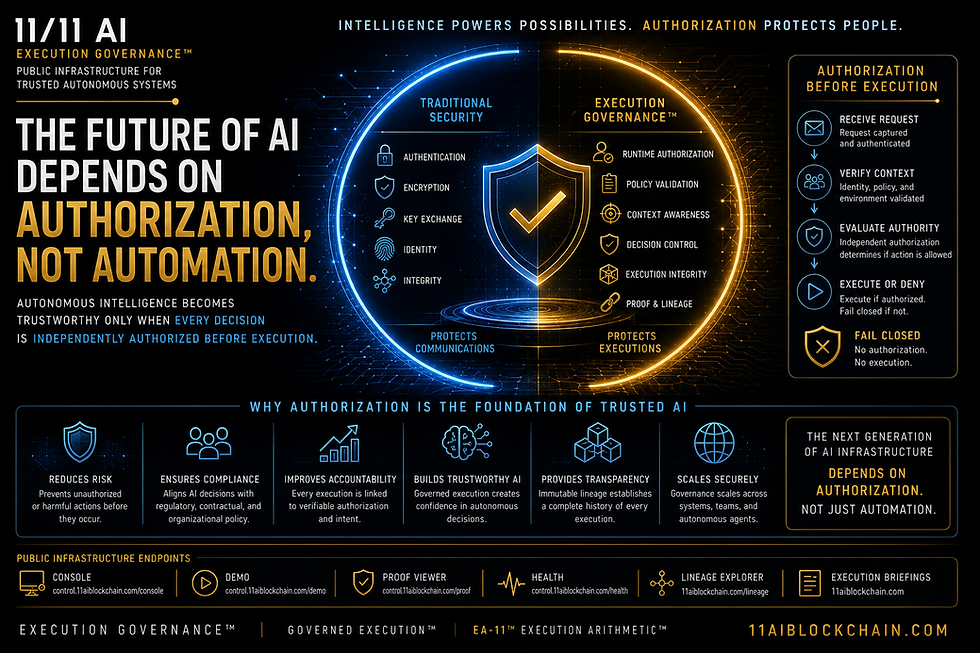
Policy-governed execution: Rules and regulations are enforced during operation, not after problems occur.
Audit-first design: Systems keep detailed, tamper-proof logs to provide evidence and build trust.
In Web4, AI does more than generate content or analyze data. It actively manages trust and compliance, ensuring that systems behave as expected. Quantum computing readiness means security will stay strong even as computing power grows.
Practical Examples of Web4 in Action
AI-powered identity verification: Instead of passwords, AI analyzes behavior and context to confirm identity securely and continuously.
Quantum-resistant blockchain: Networks use new cryptographic methods to protect transactions from future quantum attacks.
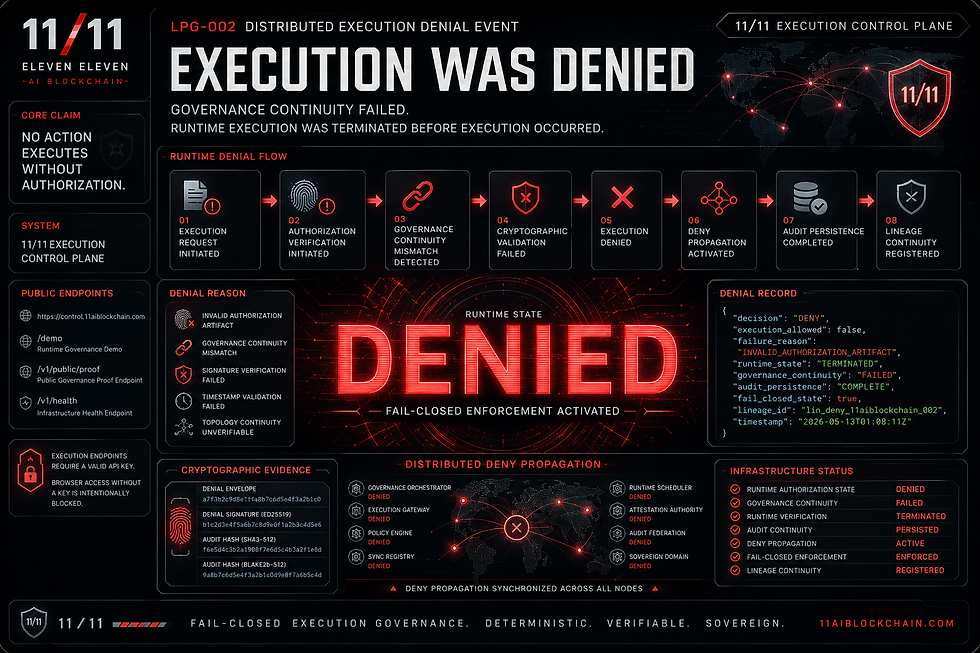
Real-time policy enforcement: Smart contracts automatically adjust to new regulations without manual intervention.
Transparent audit trails: Every action is logged with proof, helping organizations meet compliance and build user confidence.
These examples show how Web4 can solve problems that earlier internet versions could not address.
What Web4 Means for Users and Businesses
For users, Web4 promises more control, privacy and trust. AI will help personalize experiences while protecting data. Quantum-safe security will guard against emerging threats. Policies enforced at runtime will reduce fraud and errors.
Businesses will benefit from stronger compliance, reduced risk and new opportunities to build services that rely on trustworthy AI and secure computing. Web4 will enable innovations in finance, healthcare, supply chains and more.
Preparing for the Web4 Future
To get ready for Web4, individuals and organizations should:
Learn about AI and quantum computing basics
Explore decentralized identity and blockchain technologies
Stay informed about evolving regulations and compliance tools
Invest in systems that support real-time policy enforcement and auditability
Understanding these trends will help navigate the transition smoothly and take advantage of new possibilities.

Comments