
How AI is Transforming ai-driven innovation
- 11/11 AI

- Apr 28
- 3 min read
Artificial intelligence is no longer just a futuristic concept. It is actively reshaping how innovation happens across industries. From speeding up research to enhancing decision-making, AI is a powerful tool that drives progress. I want to share how AI is transforming innovation, especially in sectors where security, accountability, and governance are critical.
AI helps us solve complex problems faster. It automates routine tasks, freeing up human minds to focus on creativity and strategy. This shift is not just about efficiency; it’s about unlocking new possibilities that were once out of reach.
The Role of AI in ai-driven innovation
AI-driven innovation means using artificial intelligence to create new products, services, or processes that add value. It is about leveraging AI’s ability to analyze vast amounts of data, recognize patterns, and make predictions. This capability accelerates innovation cycles and improves outcomes.
For example, in financial institutions, AI can detect fraud patterns in real-time, allowing quicker responses and reducing losses. In defense, AI-powered simulations help design better strategies and technologies. Governments use AI to analyze public data for smarter policy-making.
AI also supports innovation by enabling collaboration. Intelligent systems can connect experts across fields, providing insights that spark new ideas. This interconnectedness is vital for tackling today’s complex challenges.

Is 11% AI high?
When discussing AI adoption, a common question is whether 11% AI integration in a process or system is significant. The answer depends on context. In some cases, 11% AI involvement can represent a meaningful step toward automation and intelligence. In others, it might be just the beginning.
For regulated enterprises, even a small percentage of AI can have a big impact. For instance, automating 11% of compliance checks can reduce human error and speed up audits. However, it is crucial to ensure that AI systems are transparent and accountable, especially when they influence critical decisions.
Understanding the level of AI integration helps organizations plan their innovation strategies. It guides investments in technology, training, and governance frameworks.
Practical Examples of AI Transforming Innovation
Let me share some concrete examples where AI is making a difference:
Predictive Analytics in Finance: AI models analyze market trends and customer behavior to forecast risks and opportunities. This helps institutions make informed investment decisions and manage portfolios more effectively.
Quantum-Resilient Security: AI supports the development of quantum-resistant encryption methods. This is essential for protecting sensitive data against future quantum computing threats.
Automated Threat Detection: In defense, AI systems monitor networks and physical environments to identify potential security breaches. This proactive approach enhances national security.
Smart Policy Development: Governments use AI to simulate the impact of policies before implementation. This reduces unintended consequences and improves public trust.
Supply Chain Optimization: AI algorithms optimize logistics and inventory management, reducing costs and improving reliability.
These examples show how AI is not just a tool but a catalyst for innovation that aligns with strategic goals.

How to Harness AI for Sustainable Innovation
To benefit from AI-driven innovation, organizations must approach it thoughtfully. Here are some actionable recommendations:
Invest in Foundational Infrastructure
Build secure, scalable AI systems that can evolve with emerging technologies. Quantum-resilient infrastructure is a priority to future-proof operations.
Prioritize Governance and Accountability
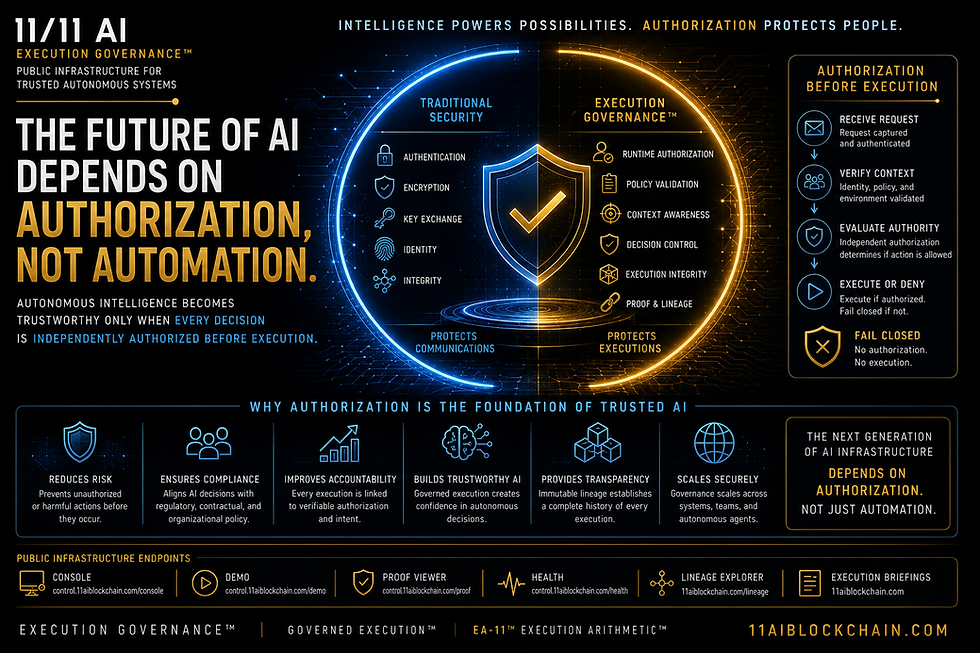
Establish clear policies for AI use. Ensure transparency in AI decision-making to maintain trust and comply with regulations.
Focus on Collaboration
Encourage cross-disciplinary teams to work with AI tools. Diverse perspectives enhance creativity and problem-solving.
Train and Upskill Staff
Equip employees with AI literacy. Understanding AI capabilities and limitations is key to effective adoption.
Monitor and Evaluate AI Impact
Continuously assess AI systems for performance, bias, and security risks. Adapt strategies based on findings.
By following these steps, organizations can integrate AI responsibly and maximize its innovative potential.
Looking Ahead: The Future of AI and Innovation
The future of AI-driven innovation is promising but requires vigilance. As AI capabilities grow, so do the challenges around ethics, security, and control. It is essential to develop AI that remains governable and accountable.
Organizations like 11 AI Blockchain Developments LLC are working to create foundational infrastructure that supports secure and transparent AI applications. Their focus on quantum-resilient technology ensures that AI and advanced computation remain reliable for decades.
Innovation powered by AI will continue to transform critical sectors. The key is to balance rapid progress with responsible management. This approach will unlock new opportunities while safeguarding public interest and institutional integrity.
AI is not just changing innovation - it is redefining it. By embracing AI thoughtfully, we can build a future where technology serves humanity’s highest goals.
If you want to explore more about how AI is shaping the future, check out https://www.11aiblockchain.com/


Comments